

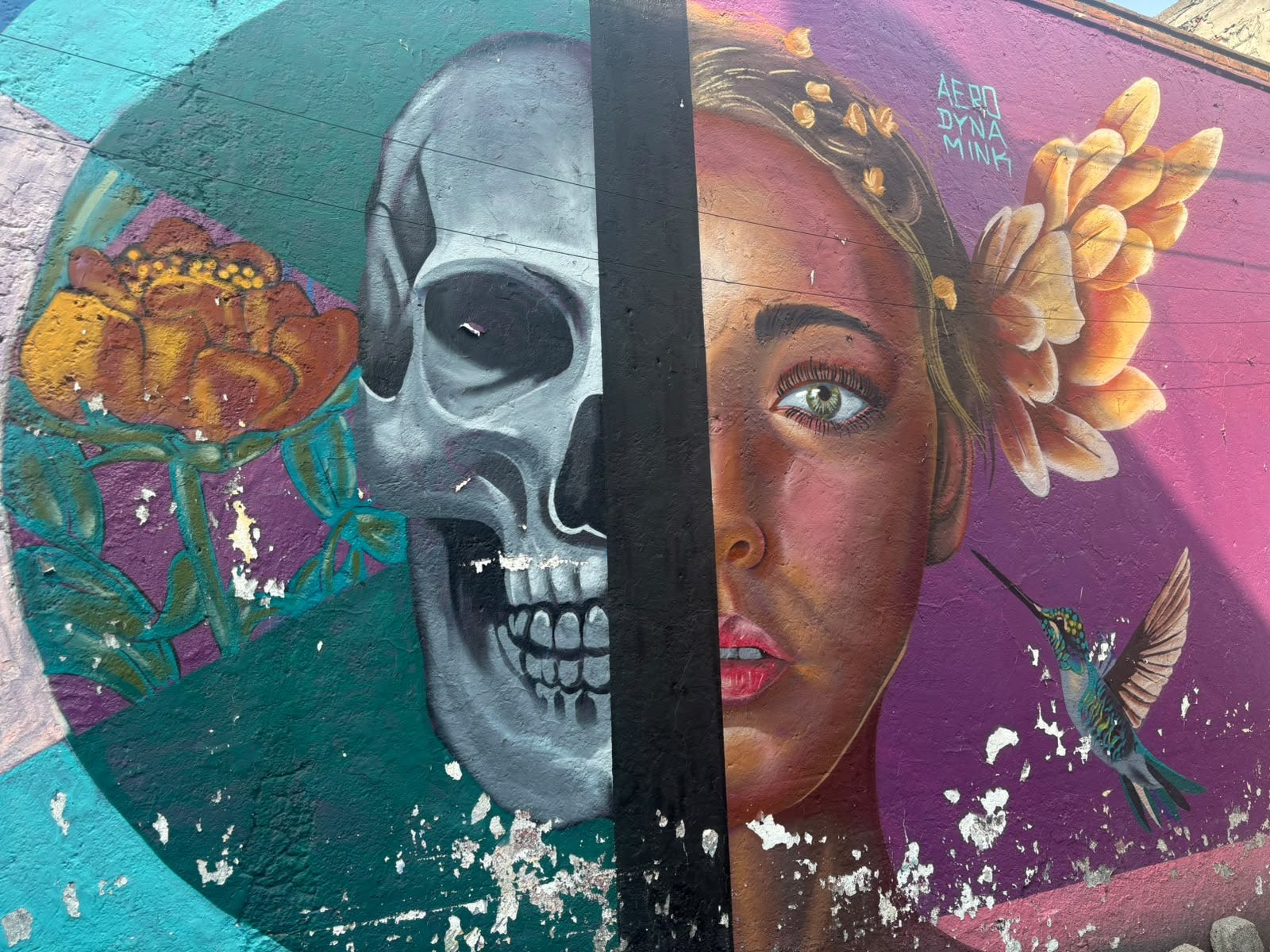
The calendar for October and November in Mexico City is bubbling with activities connected to the macabre and the deceased. Events have burst well beyond the three days of Halloween on Oct. 31, and the Día de Muertos, or Day of the Dead, on Nov. 1 and Nov. 2, to rage for more than a month.
Attractions include: a zombie and monster parade, a record-breakingly tall catrina (the iconic Mexican female skeletal figure) in the Zocalo plaza, a dressed-up pets gathering, a Día de Muertos parade (which was first imagined in the 2015 James Bond movie Spectre), a mega ofrenda (or altar for the dead), a pumpkin fest and pumpkin zone, boat trips round river islands that grow cempasúchil (marigold) flowers placed on tombs, horror films projected in a cemetery, a “Maloween” party, a concert with music from the film Coco, and dozens more colorful happenings. There is also the regular three-day street costume party in Coyoacán, which gets bigger every year, and the massive Día de Muertos gathering in the town of San Andrés Mixquic. And residents, especially the younger crowd, have been holding fancy dress bashes throughout the month.
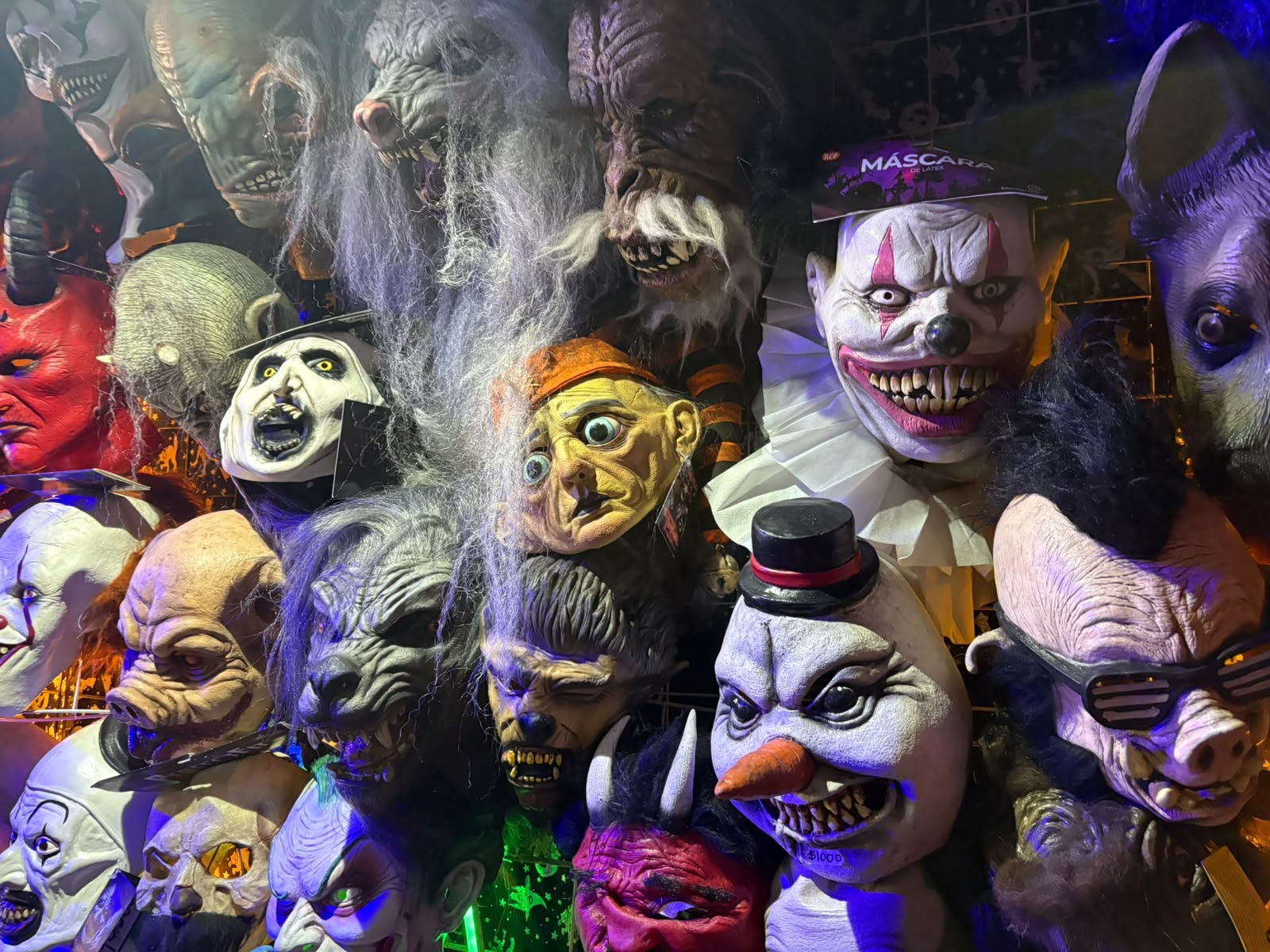
Amid the partying, an old argument seethes on: whether Mexico’s national and spiritual traditions of Día de Muertos are being invaded and colonized by the commercial gringo Halloween. The anti-Halloween sentiment was summed by one man standing on a street corner with a sign saying, “Halloween ape$ta a mierda gringa” or “Halloween $tinks of gringo shit.”
Traditional Día de Muertos rituals across Mexico, especially in poor and indigenous communities, are more personal and spiritual. They center round ofrendas to deceased loved ones and visiting their tombs to chant prayers and feel their presence. Some complain this is being lost.
There is also a commercialization of Día de Muertos itself. The movie Coco about it is a Pixar-Disney production that took $800 million in the box office (it had a Mexican-American writer and is largely beloved in Mexico). Converse just released a pair of Día de Muertos hi tops (what us oldies call baseball boots).
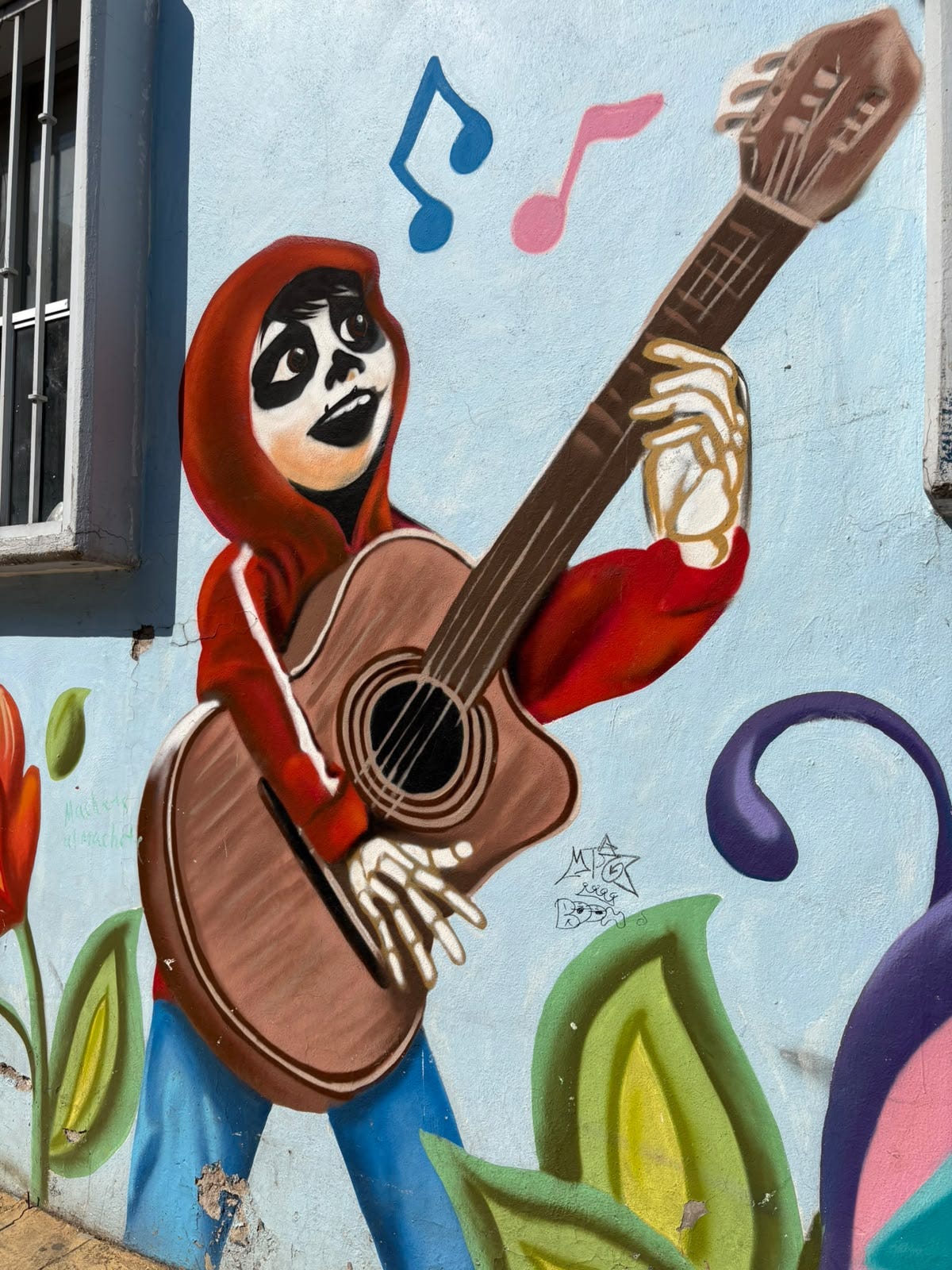
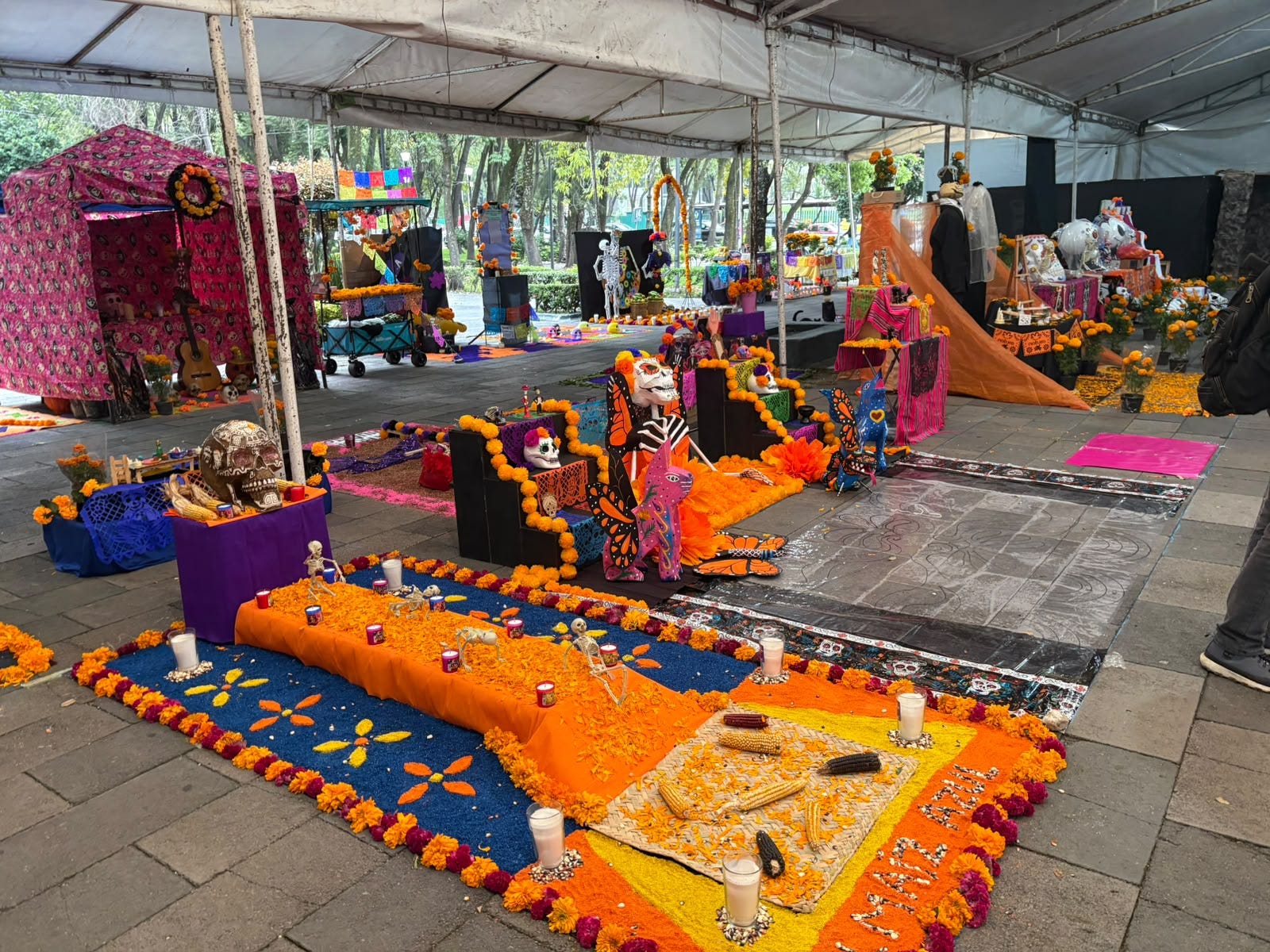
Others argue for a sharp division. There are Día de Muertos things: ofrendas, catrinas, cempasúchil; and there are Halloween things: Dracula teeth, flaming pumpkins, horror flicks. They just happen to be celebrated at the same time but you shouldn’t confuse them.
Despite these cries, there has been a clear mingling of the festivities. People wander round Coyoacán with their faces painted in the catrina style while others go as Demogorgons from Stranger Things, or roll on motorbikes with Joker masks in so called Rodadas del Terror. While many pray in Mixquic’s graveyard, thousands swig beers on nearby streets, with a variety of costumes in the mix. Shops sell pirate outfits, Sith masks and catrinas on the same shelves. Everyone is getting fatter eating the sweetbread, “pan de muerto,” which is delicious but questionably spiritual. To the horror of some, it’s become a month of “Halloween de los muertos.”
Many are actually fine with a mash-up of traditions. “We take things from different places. Some people take from here, some take from there,” says Xochitl Pérez, selling flowers in the Mixquic market. “We are mestizos,” she adds, using the term for the mix of Spanish and indigenous in Mexico.
The current blend of celebrations is colorful, creative and vibrant, with a clear Mexican touch and is among the biggest in the world. The Día de Muertos tradition is also a curious fusion that has evolved (and has a tenuous relationship with the Catholic Church). Yet the symbolism of Día de Muertos, especially the catrina, has become bound up with Mexican identity, and with people round the planet getting more protective about their identities, particularly online, the incursion of Halloween provokes explosive responses.
Their Spirits Visit
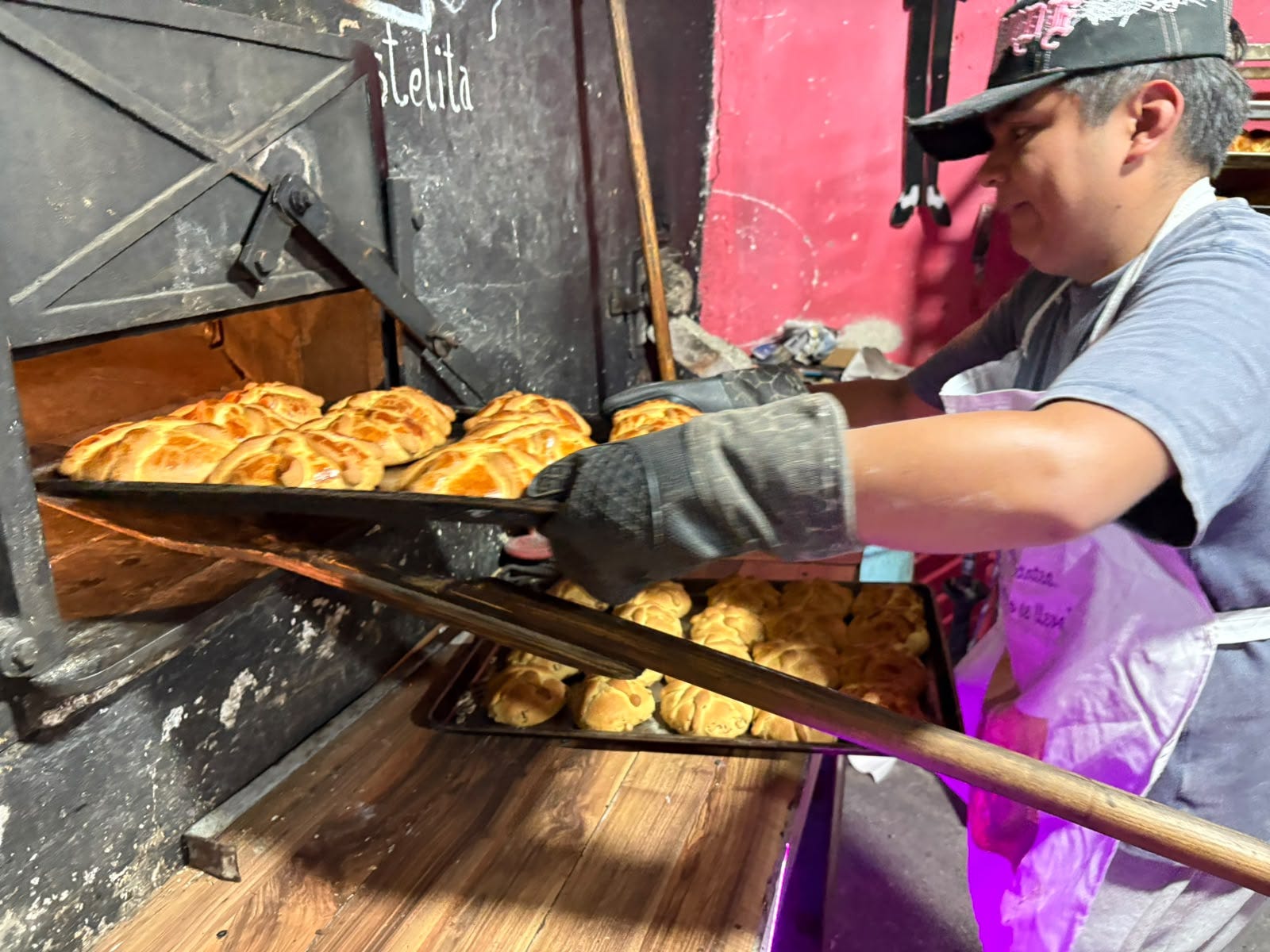
Mixquic is technically in the CDMX (Mexico City) zone, but it’s more of a rural community, an hour and half drive from the center. I find the pueblo preparing for the festivities and visit the bakery Estela, where the chief baker says they are cooking a metric ton of pan de muerto to sell.
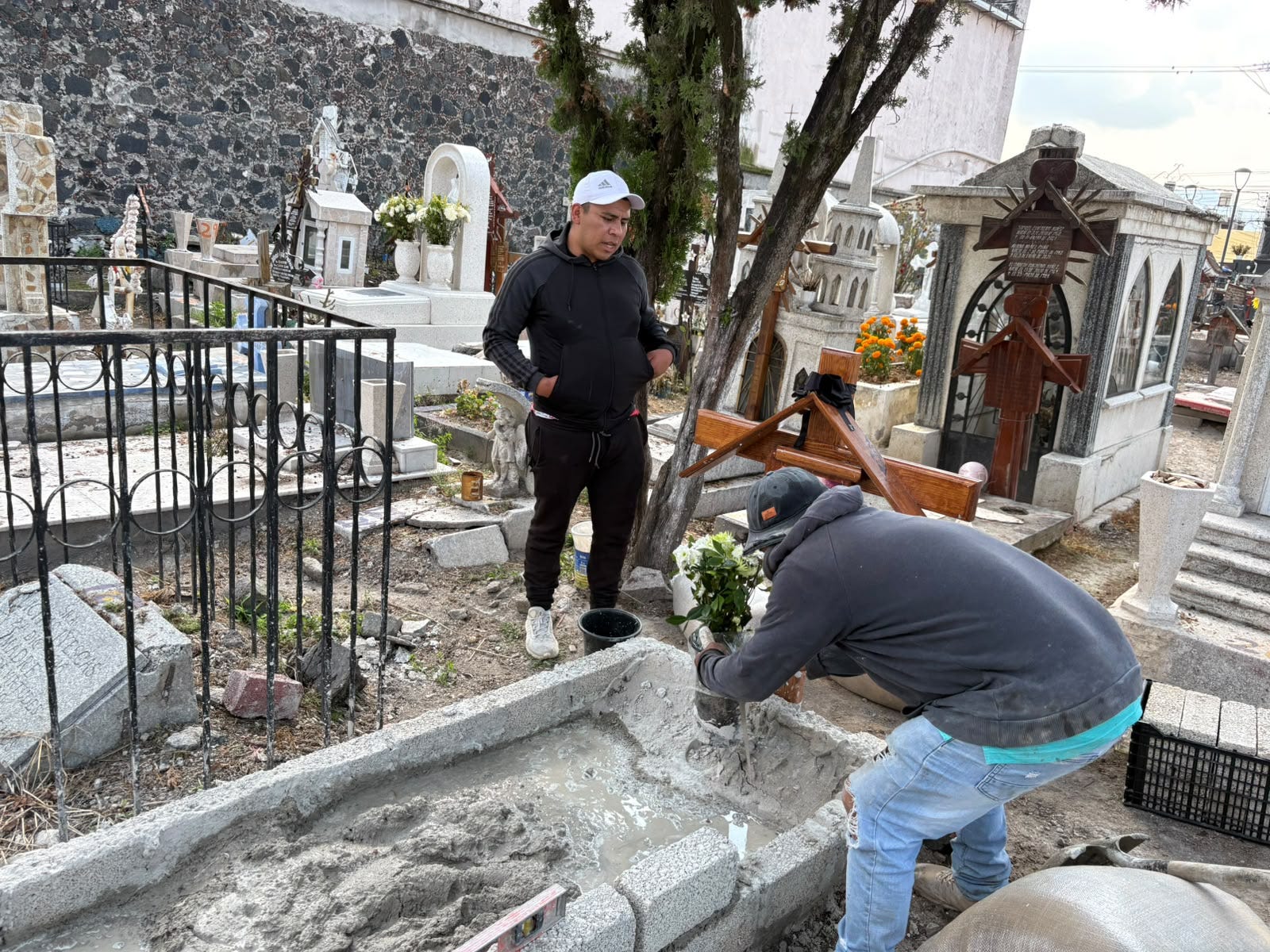
In the graveyard, I meet a pair of cousins who are working on the tombs of two family members who died in a car accident in August. Families will come to the tombs and chant a series of prayers known as the Holy Rosary. They also place the favorite food and drinks of the deceased, whether that be beer, tequila or atole, on the graves or ofrendas. The cousins tells me that the spirits visit and can…
Sorry, you have to subscribe to read the rest of the story. But it’s only the price of a cuppa and you get the full archive…