

Para leer en español click aqui.
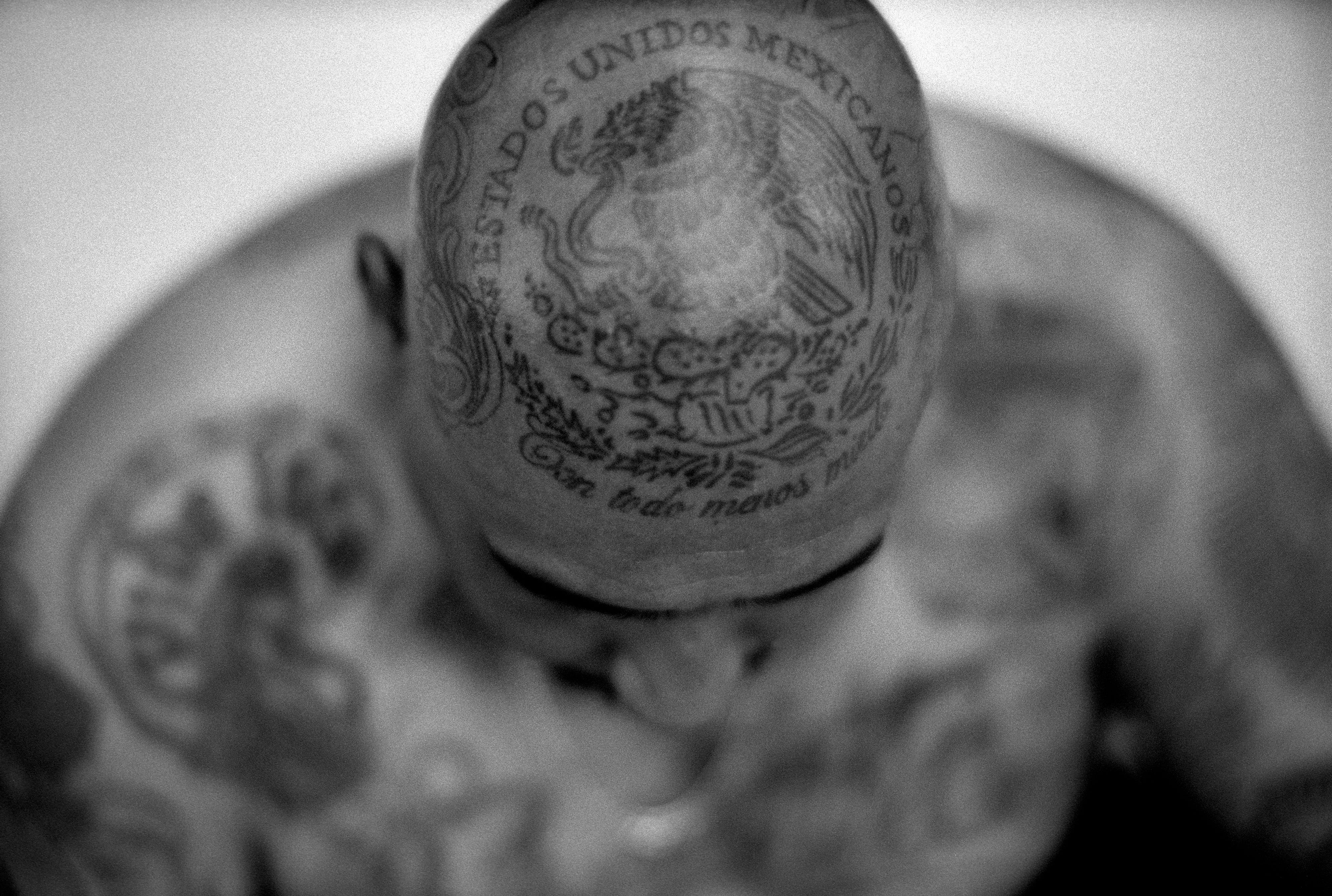
Most will know cholos from the streets of Los Angeles, Chicago or Houston, and movies like Blood In, Blood Out, as guys with shaved heads, tattoos and low-rider cars, especially back in the eighties and nineties. But there is a burgeoning cholo culture in Mexico, including in the sprawls of Ciudad Nezahualcóyotl (“La Neza”) and Ecatepec (“Ecatepunk”) on the outskirts of Mexico City (or technically Mexico State).
Gustavo Graf, a good friend and great photographer, has got deep into this cholo scene for the last five years, spending his weekends at low-rider meet ups and slamming beers with the “homies” and “hynas” (a word that mutated from “honeys,” as he explains).
While cholos have a historic link to street gangs, the rise of cartels actually made cholos in Mexico distance themselves from the hyper-violent organized crime. There are still some gang traditions of “jumping in” initiates and many of the “O.G’s” have done prison time, but cholos exist as a separate community and Gustavo documents a colorful and curious subculture blending into the endlessly-rich tapestry of twenty-first century Mexico.
Excerpts from an interview with Gustavo throughout his photo essay.
Gustavo: It’s a migrant phenomenon, something that began when Mexico started sending migrants to the United States to work. The first expression of Chicano culture was the zoot suits or pachucos. They started developing a way of dressing, music, way of dancing, way of gathering as a counterculture and a way of identifying themselves against some of the racism or some of the hard part of being a migrant in the United States and cholos are the next generation of this cultural expression. It’s an urban phenomenon and it started mostly like a gang culture. It came back to Mexico when the United States sent migrants back or the families of the migrants back.
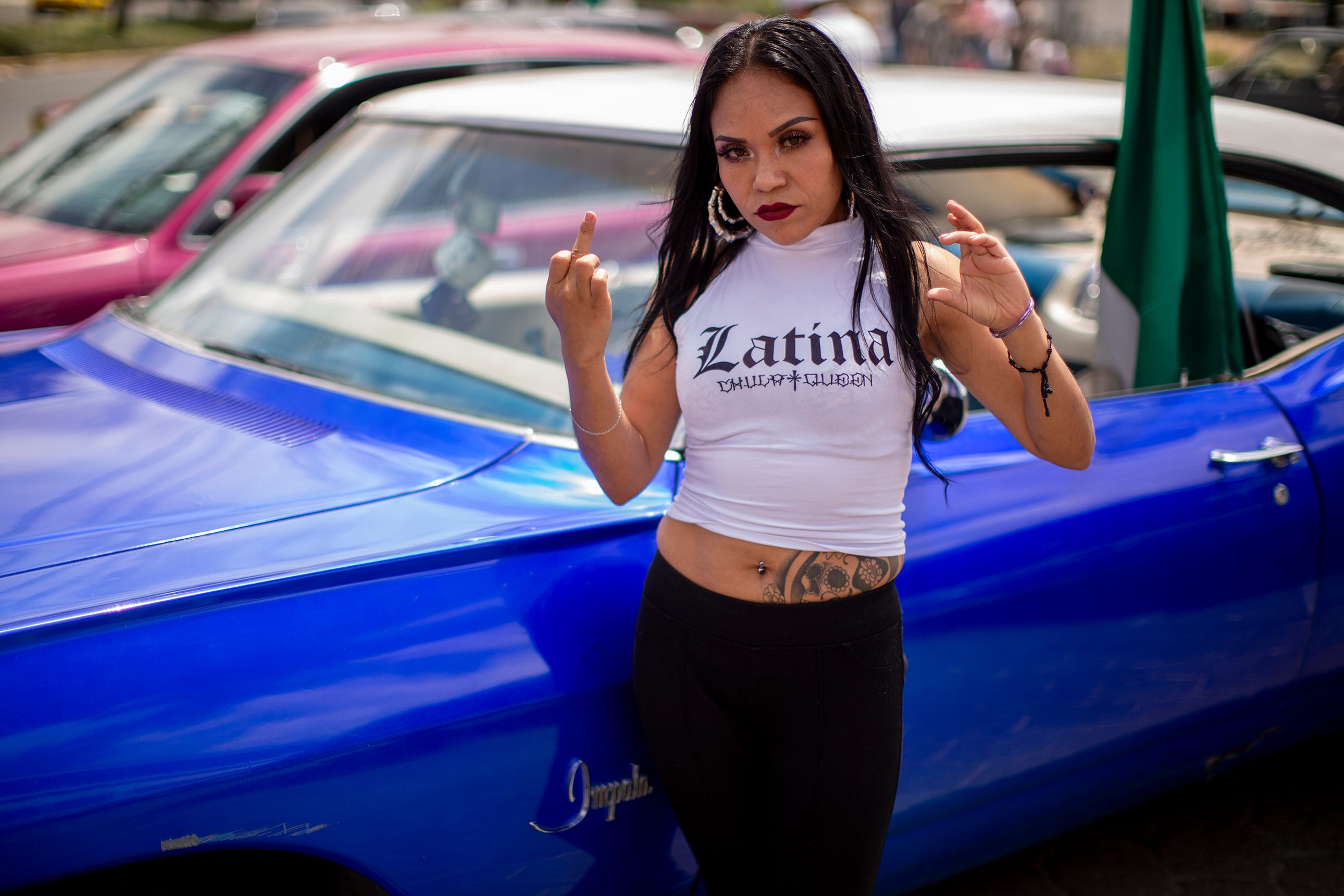
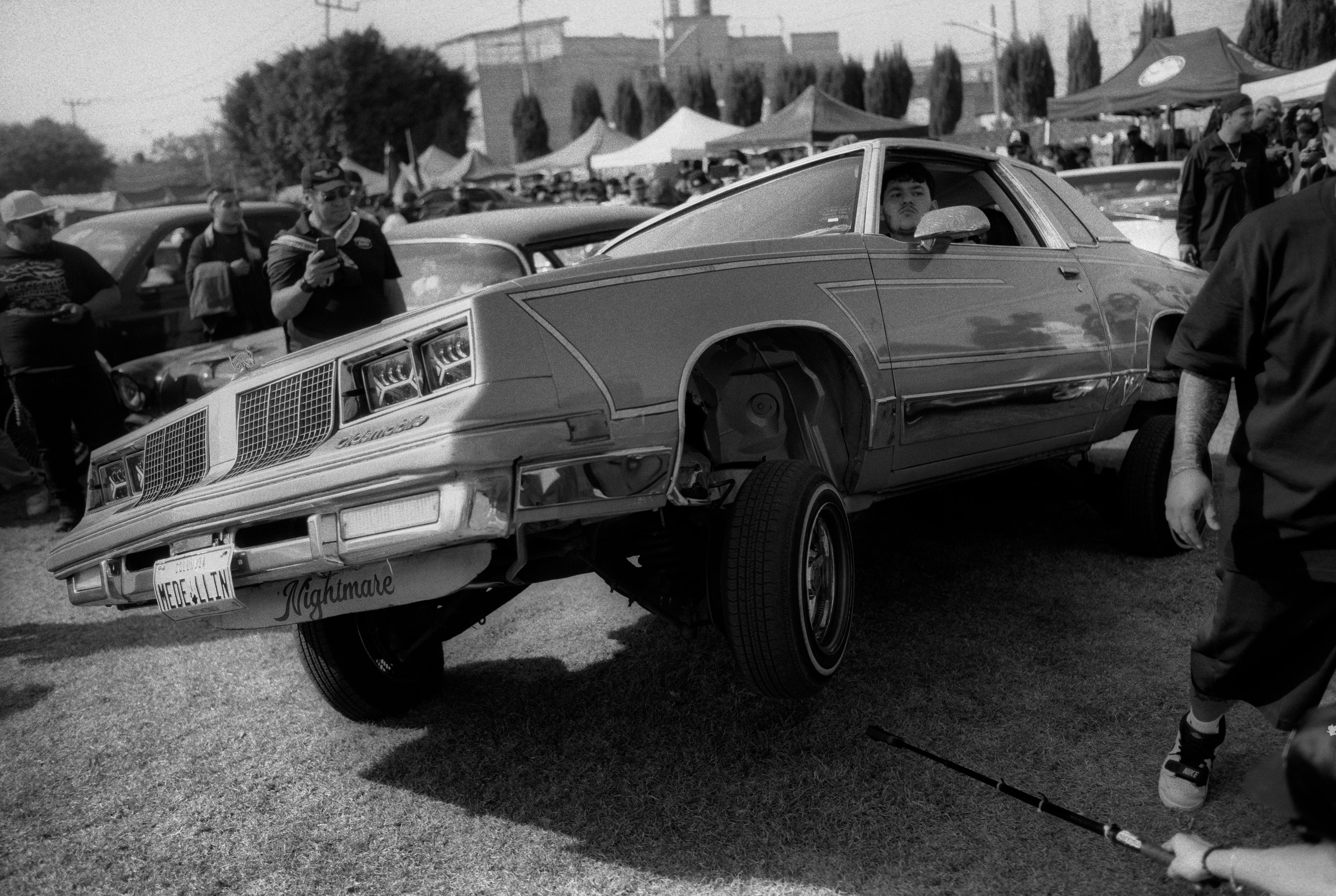
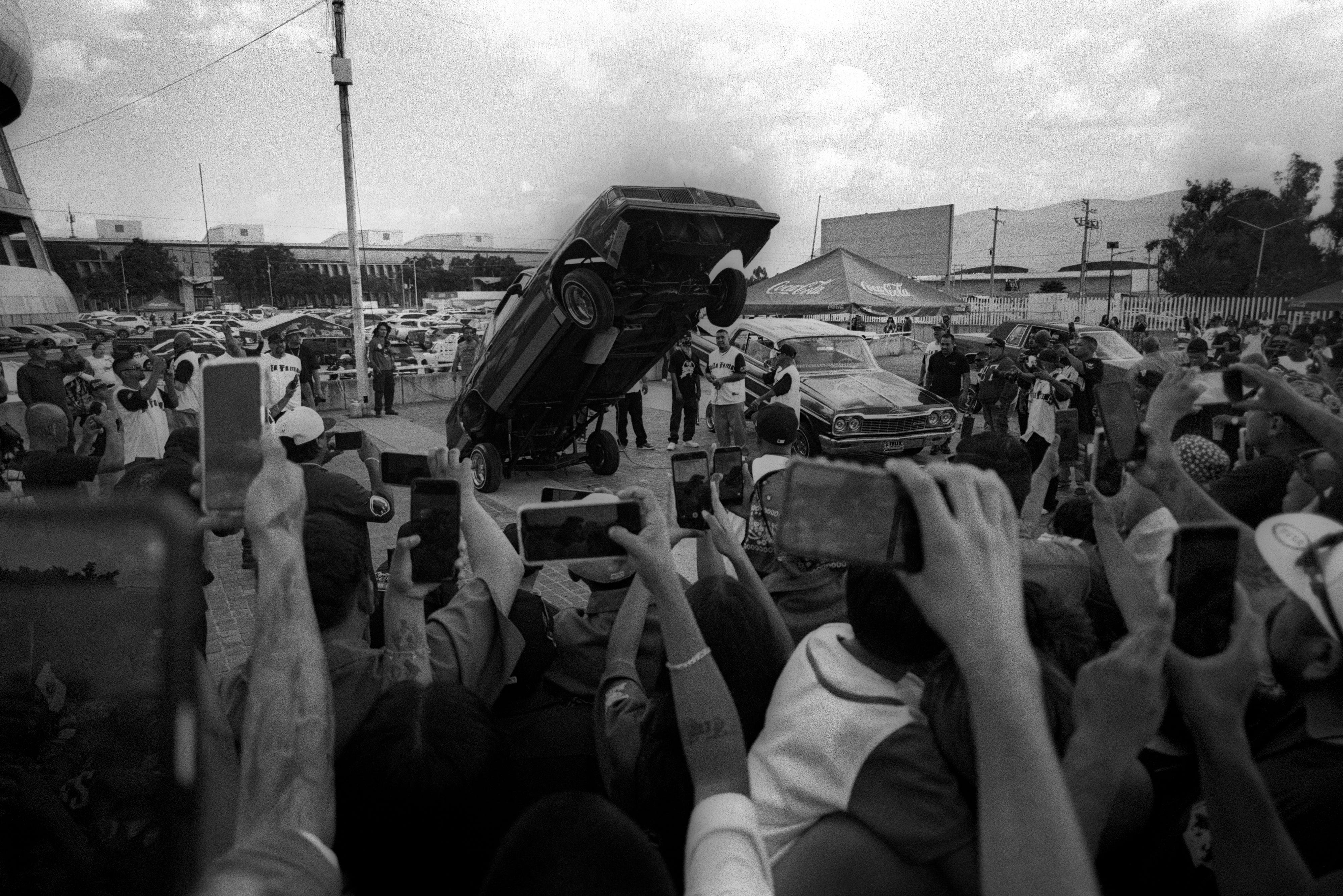
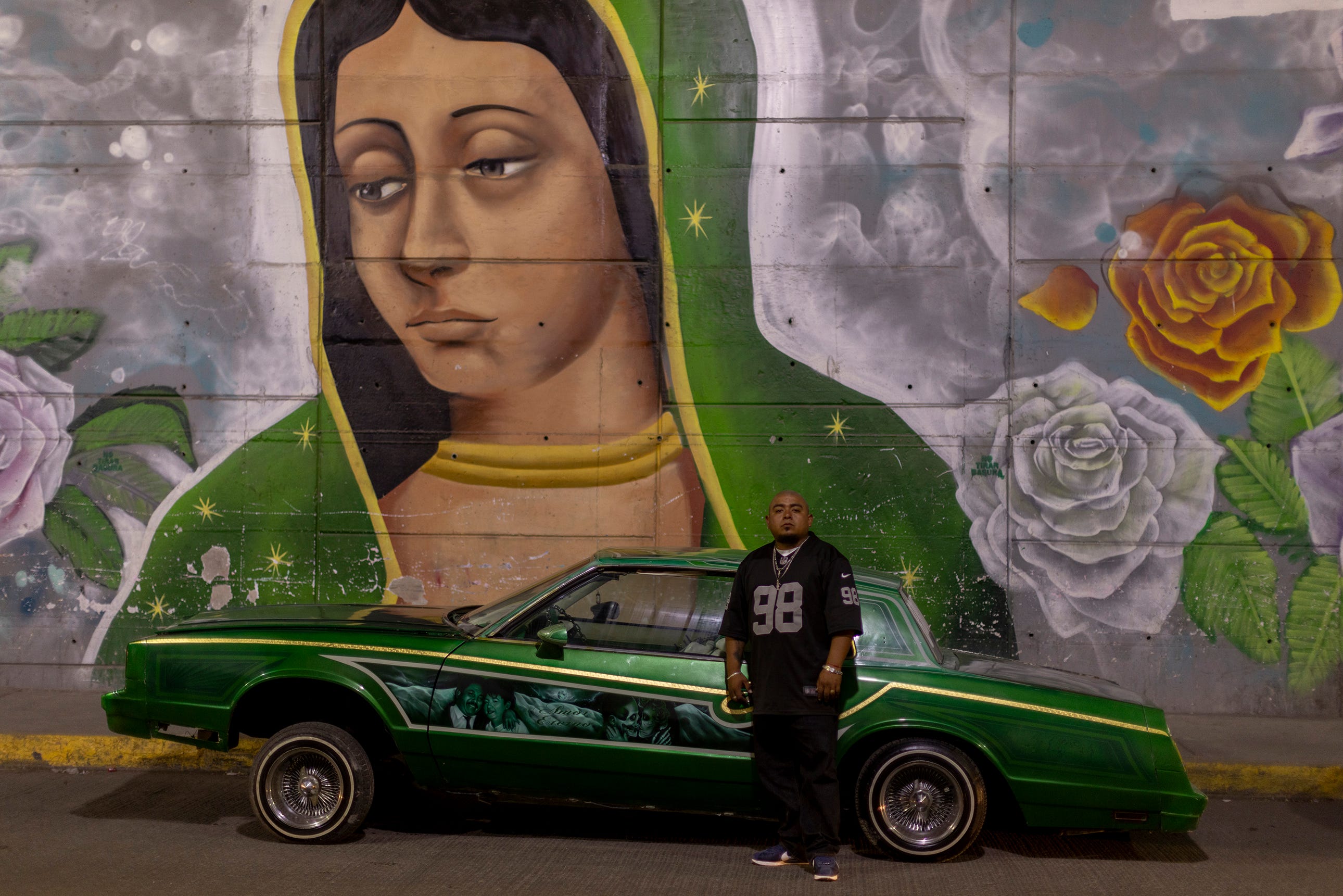
Gustavo: One of the most distinctive things is the low-rider culture. Low riders are these modified cars that are “pimped.” Some of them jump and some of them are just really beautiful old cars that are perfectly modified in a way that you recognize them in the street. If you’re riding a low rider in Neza, or in Ecatepec, everybody's looking at you. Everybody’s clapping and people get really excited about them.
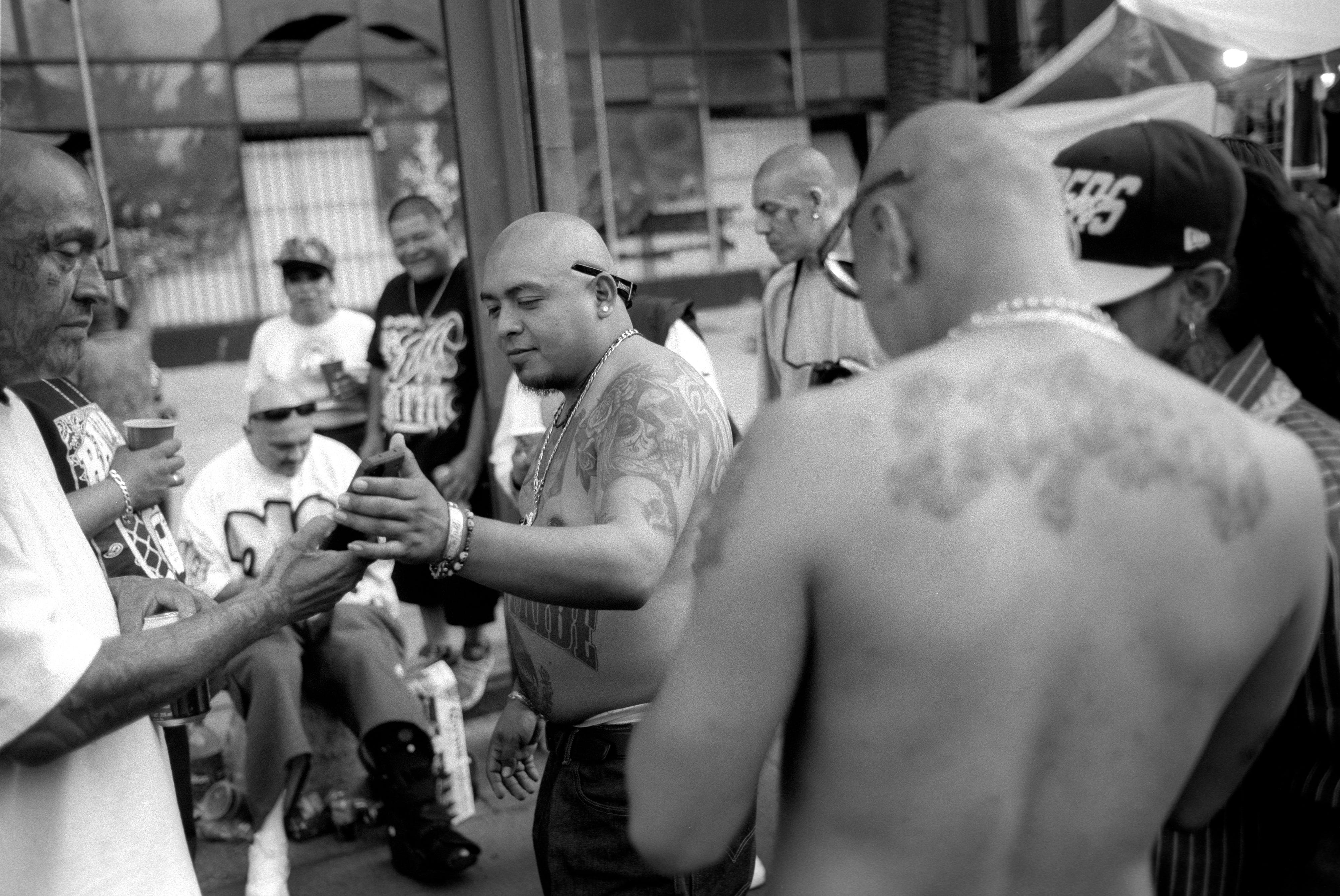
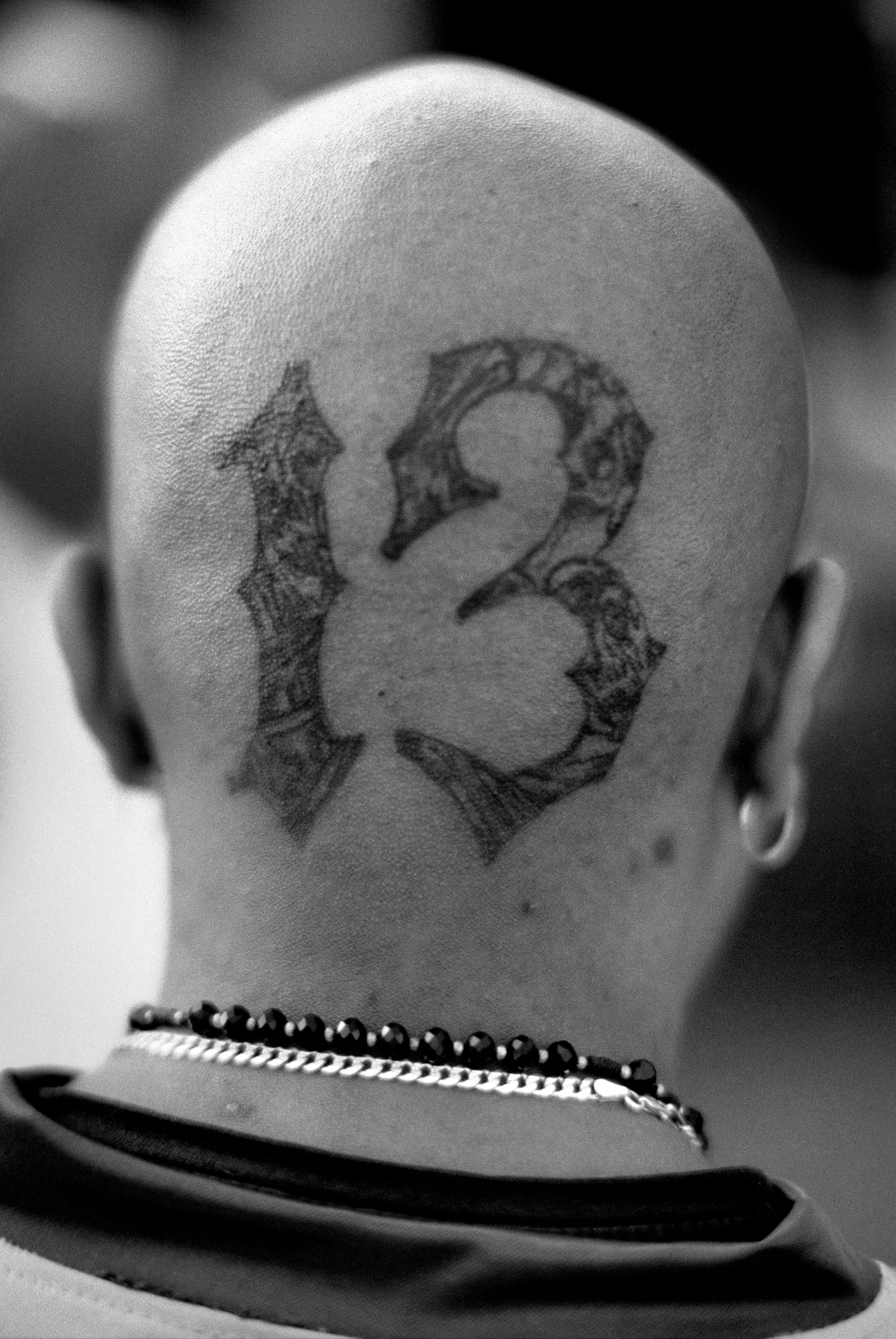
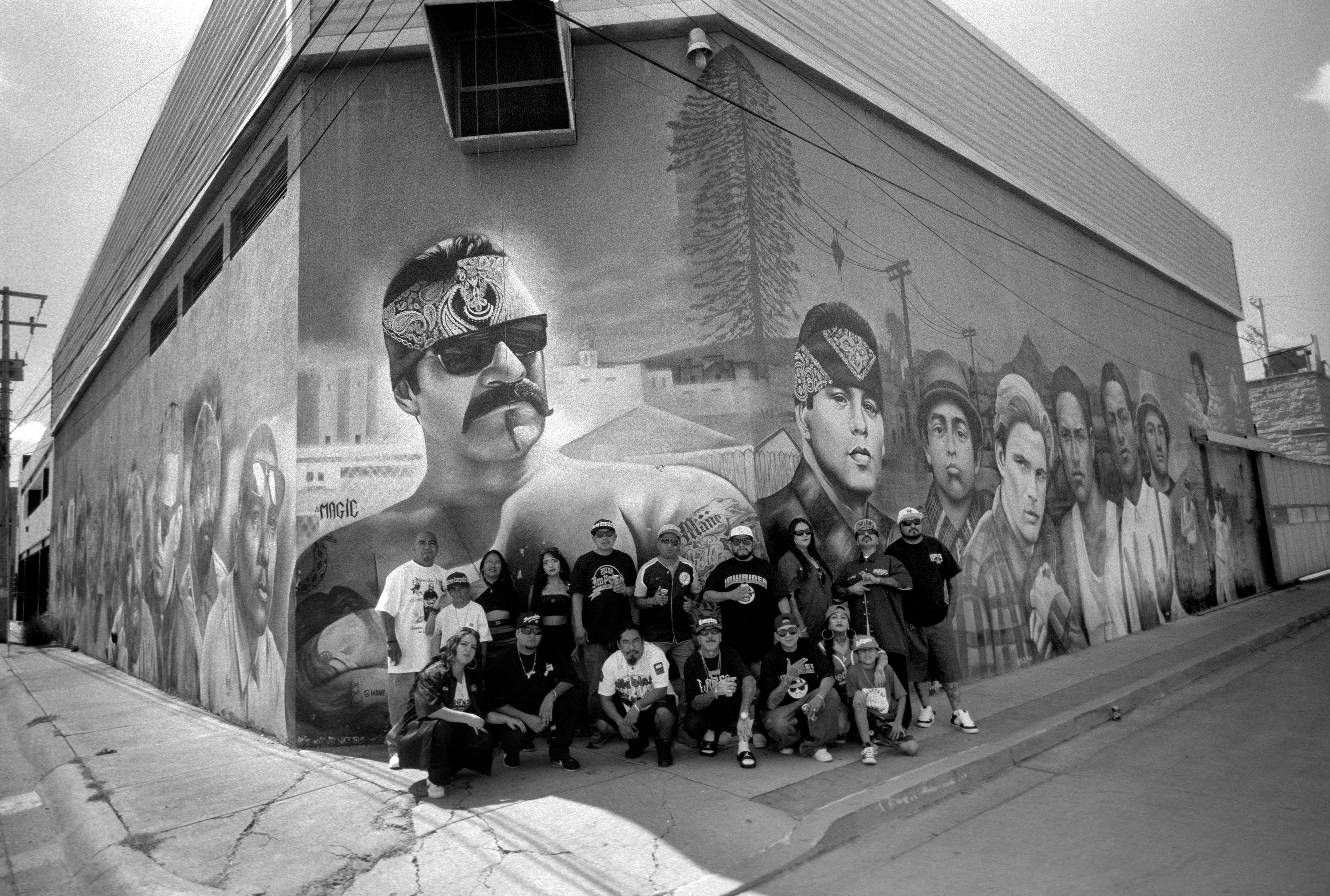
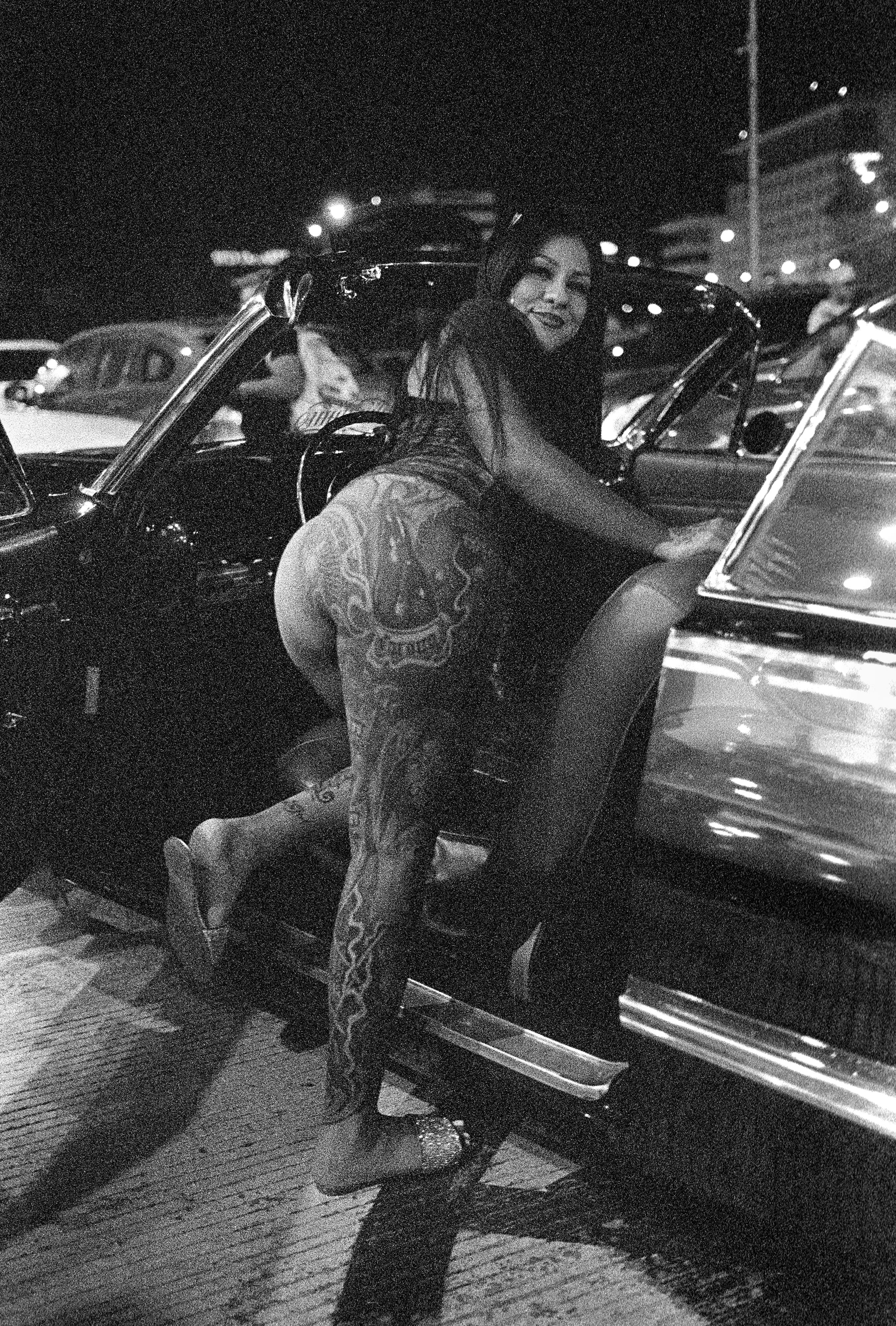
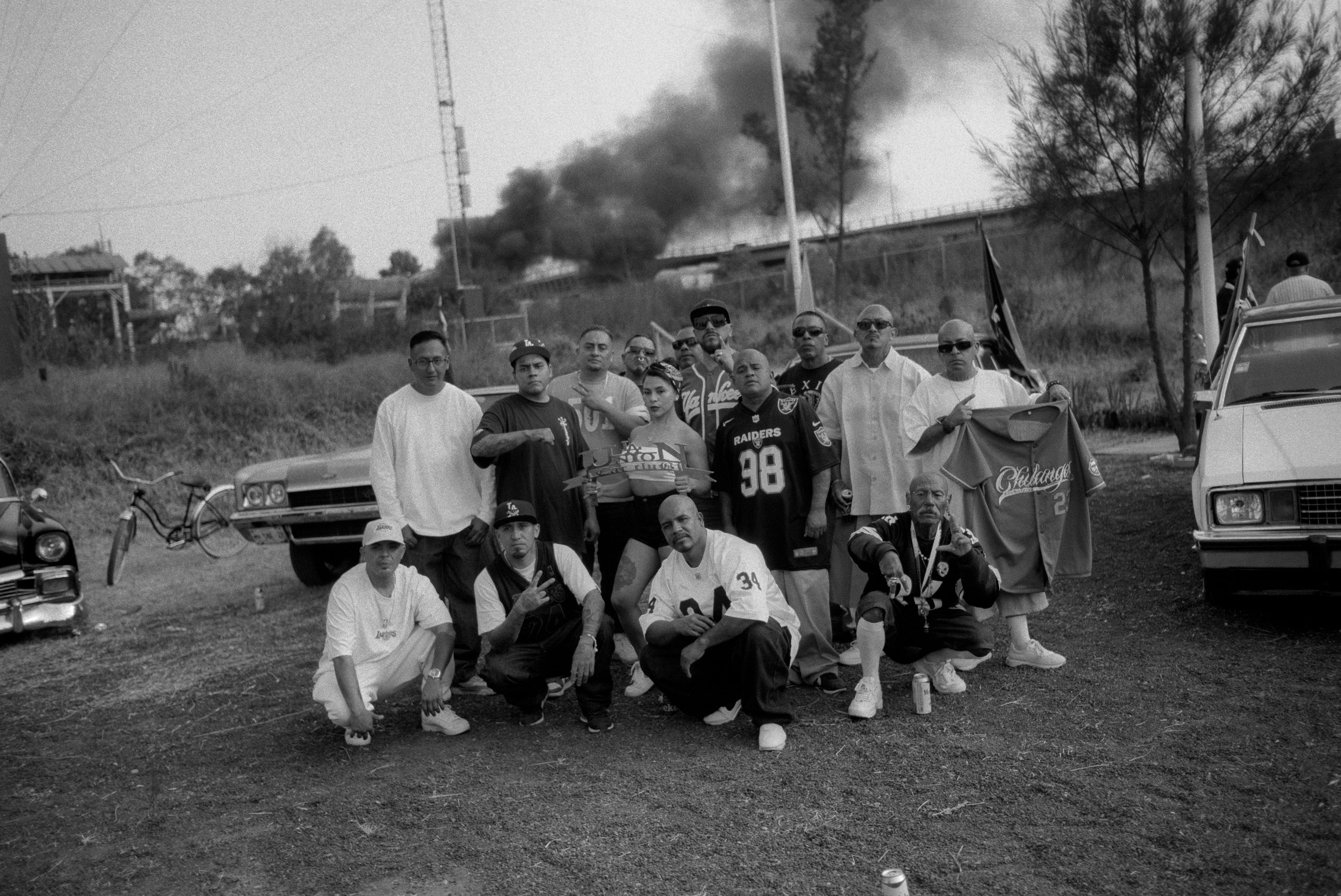
Gustavo: They’re really traditional in their values. The way they express family can be, “my family, my sons, my fathers, the nuclear family.” Or my family can be “my gang, my neighborhood, the place I live, the people I work with, my friends,” you know, the people I do every everyday life with.
They’re really proud of being Mexican, more proud than a middle-class guy from anywhere in Mexico. And the Catholic faith is really strong with them in a sense. They're going to love the vision of Guadalupe; it’s the main thing, more than anything else.
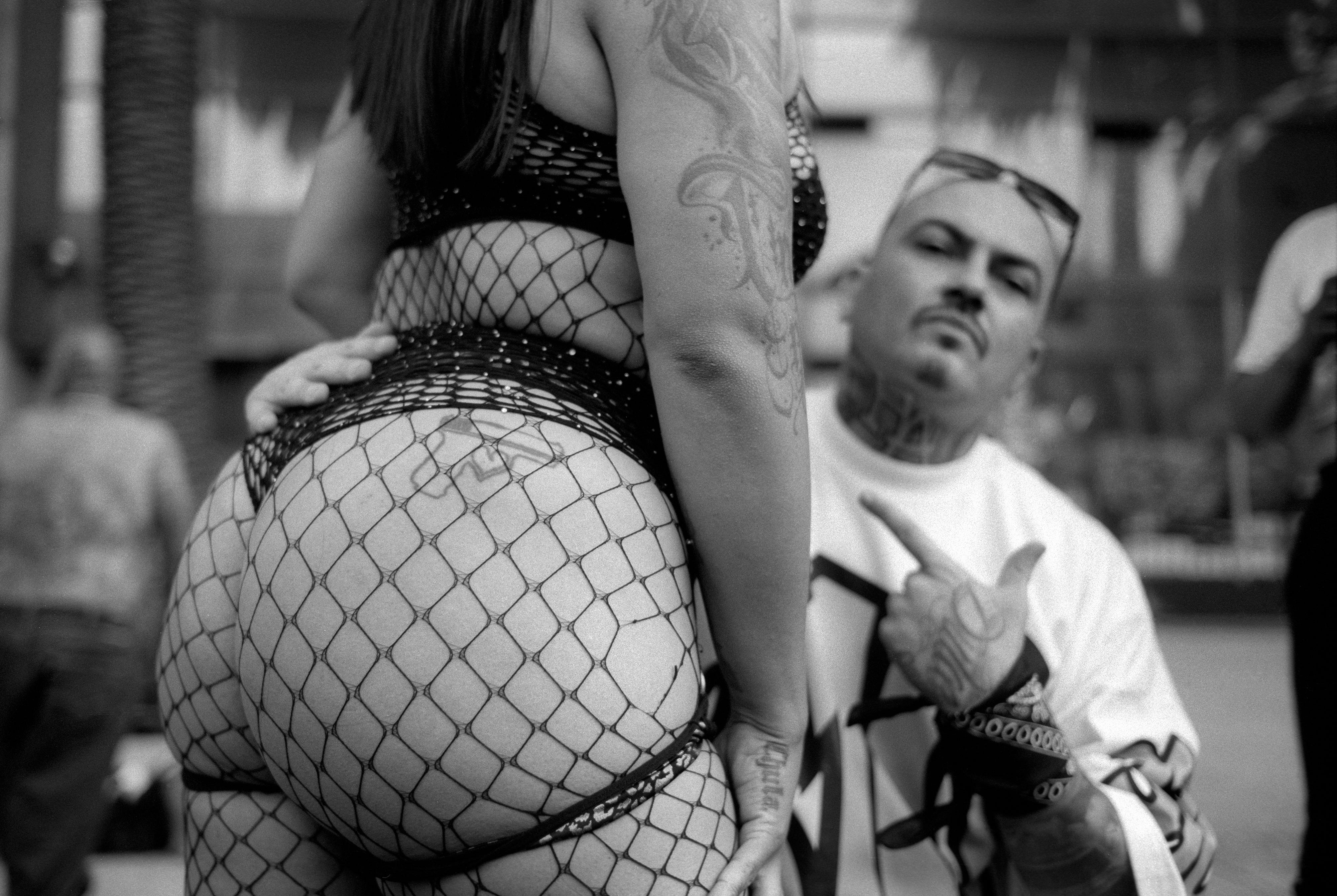
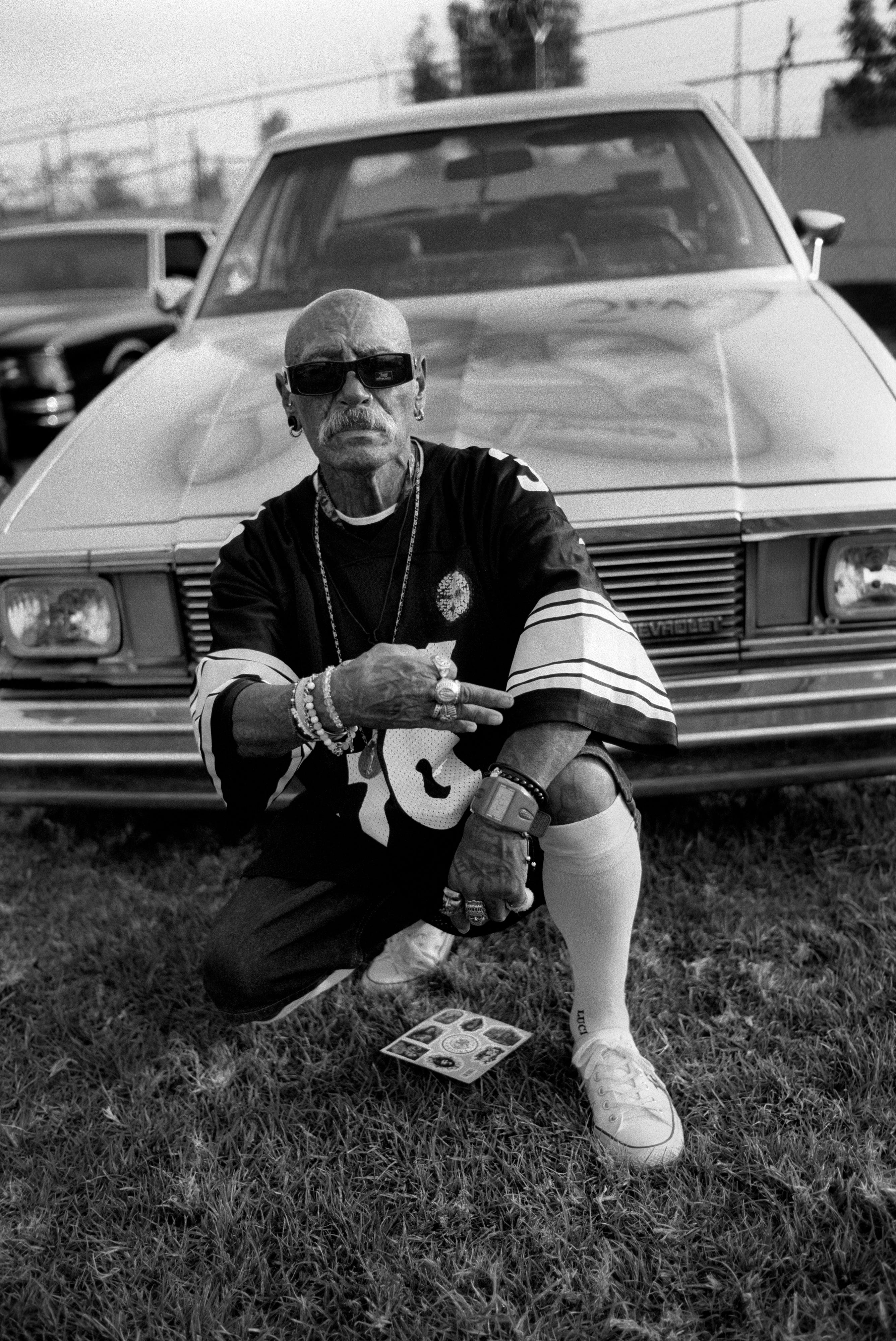
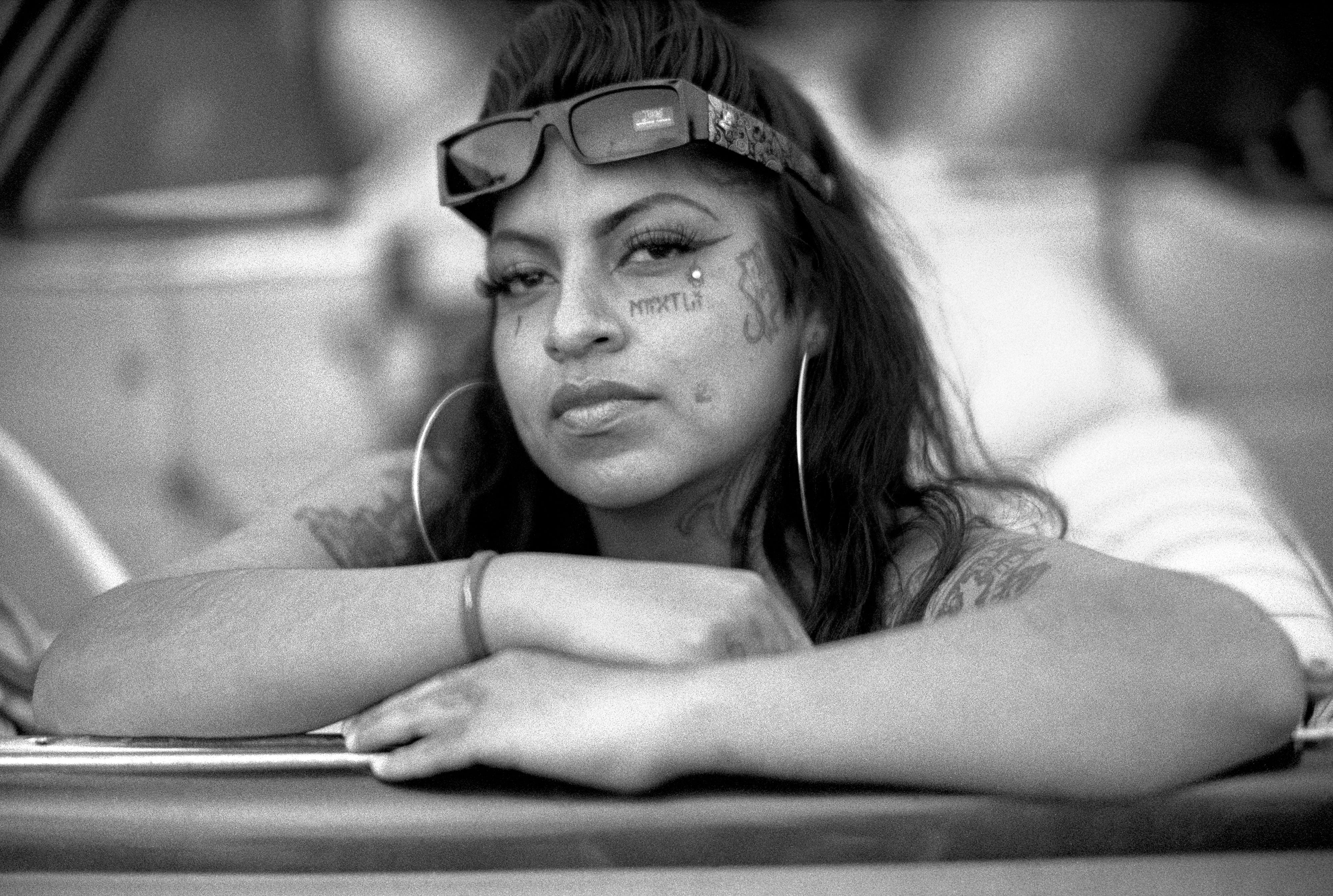
Gustavo: They call the women cholas or hynas. Hyna comes from the word honey in English and it changed: “she's my hyna; she’s my honey.” In Mexico City they can call them - I don't want to offend any women - but they call them “my ruca.” Ruca can be like an old woman, but instead of saying “she’s my girlfriend,” they're gonna say, “she’s my ruca.” They have an instinctive code of dressing too and a way of applying makeup.
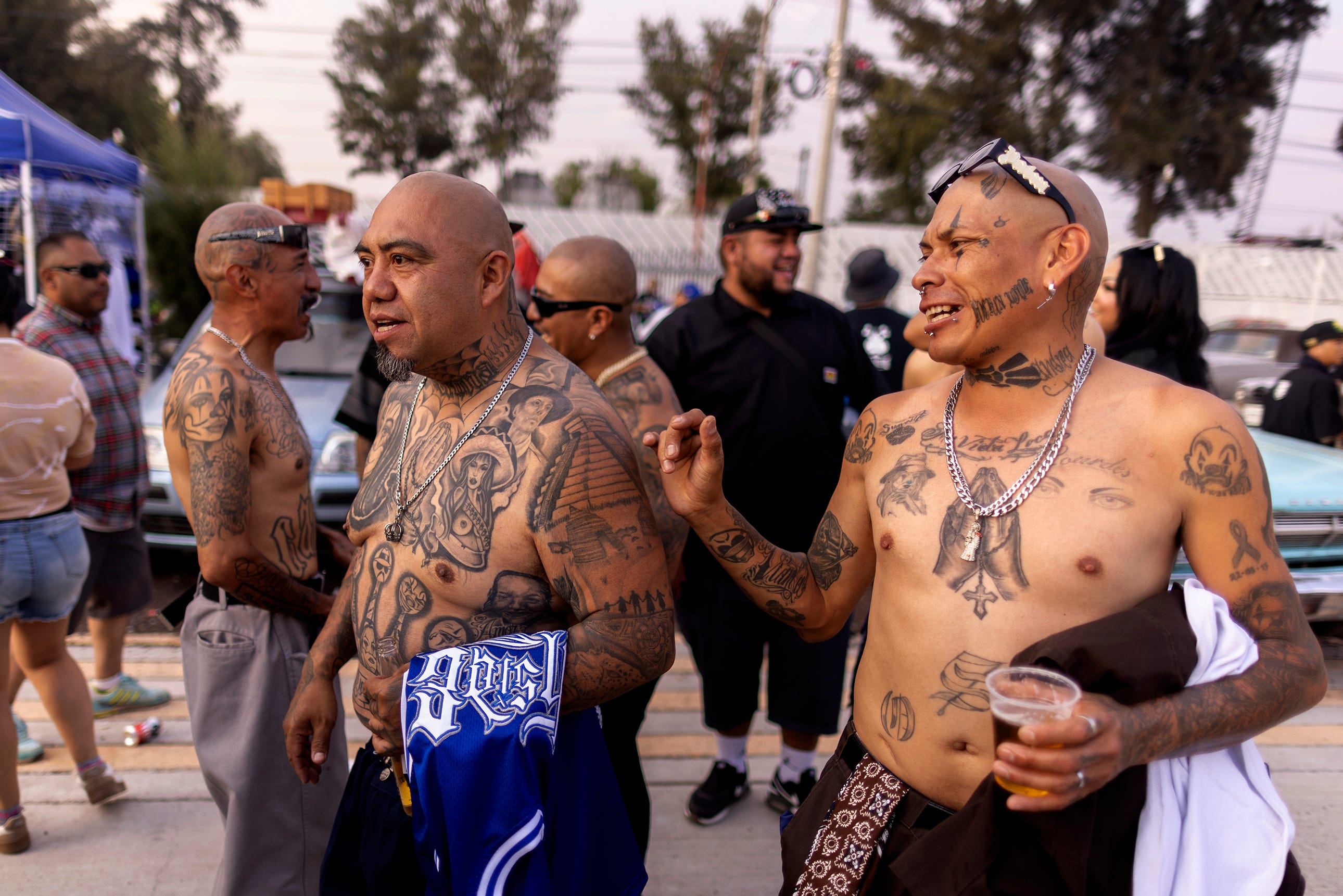
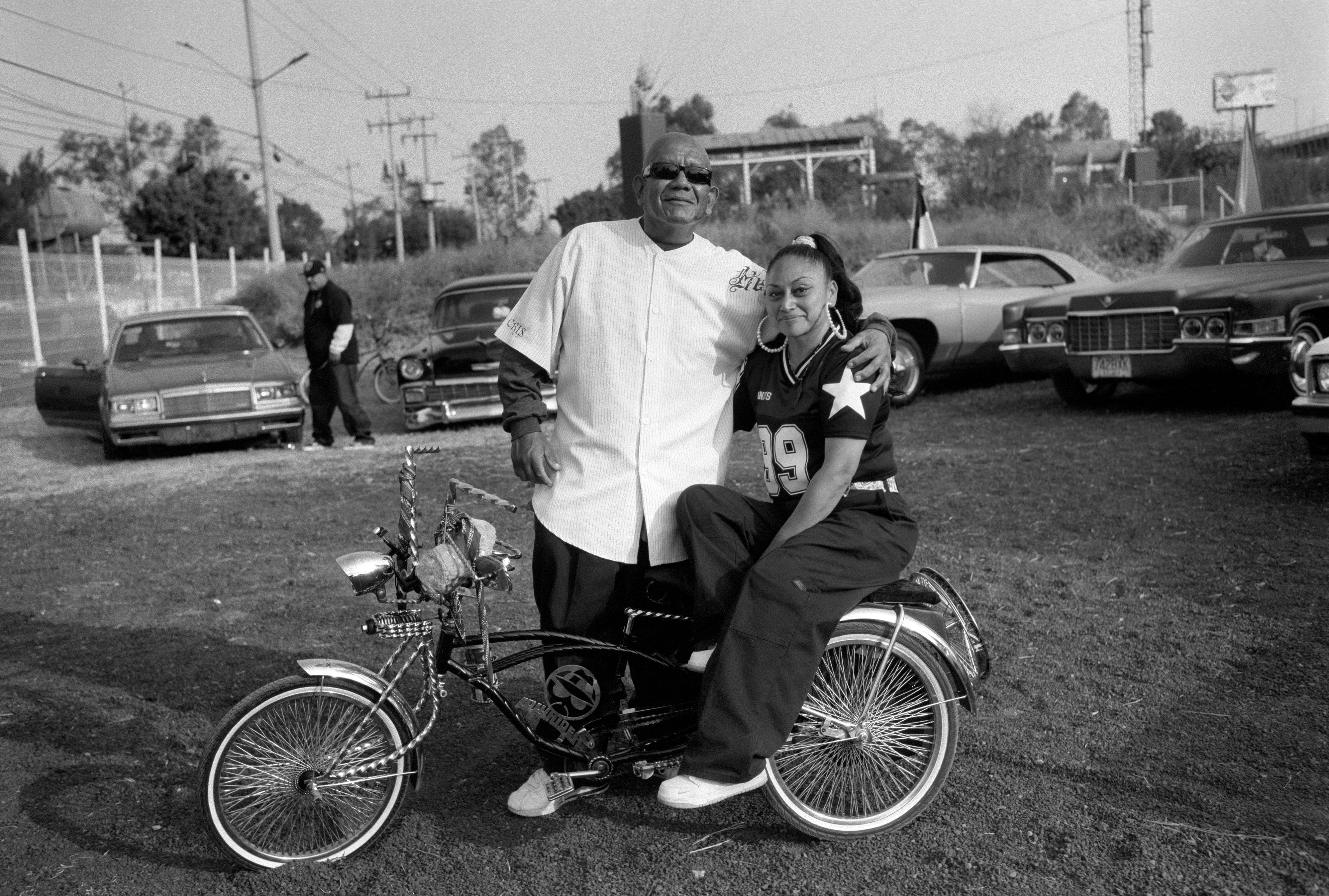
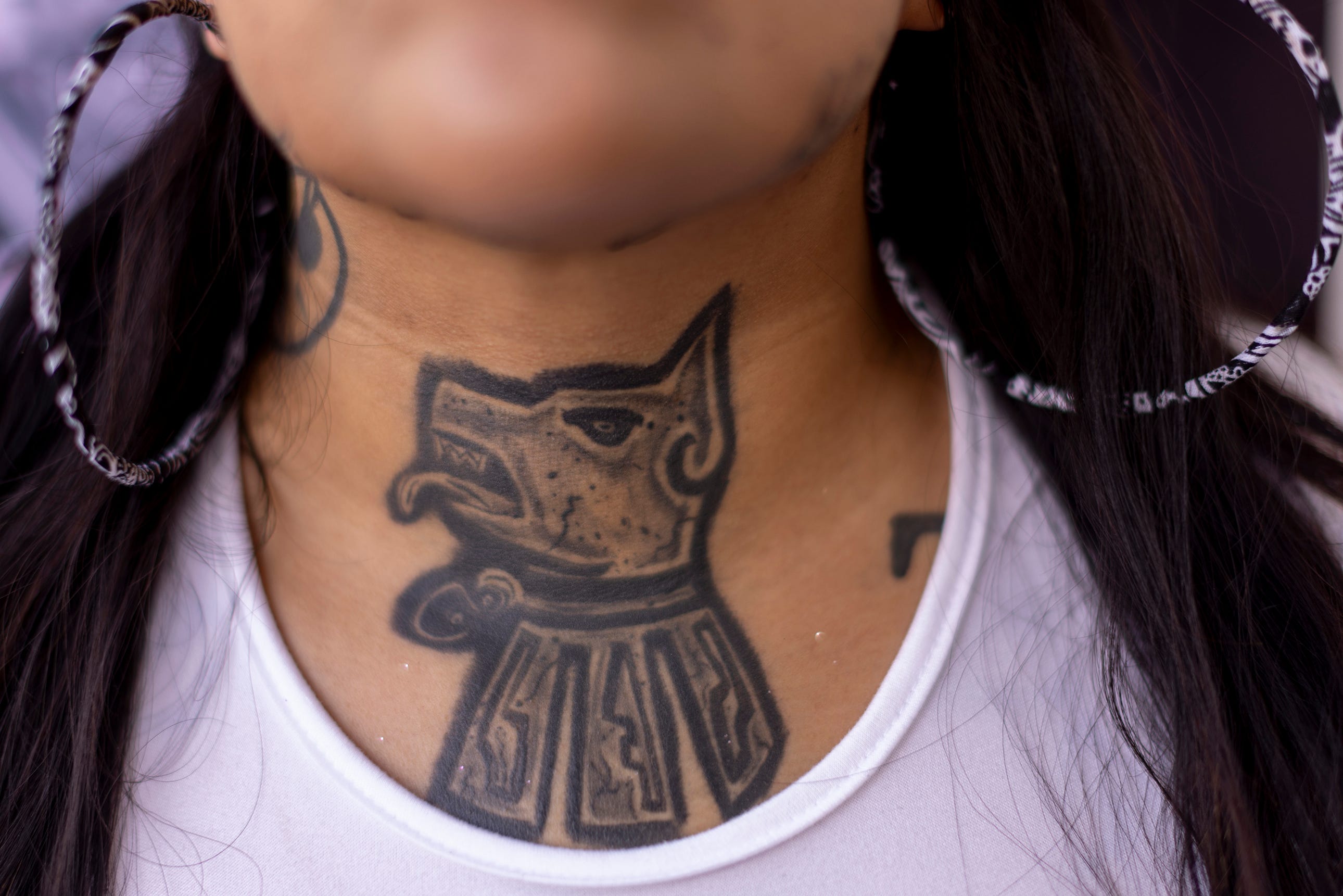
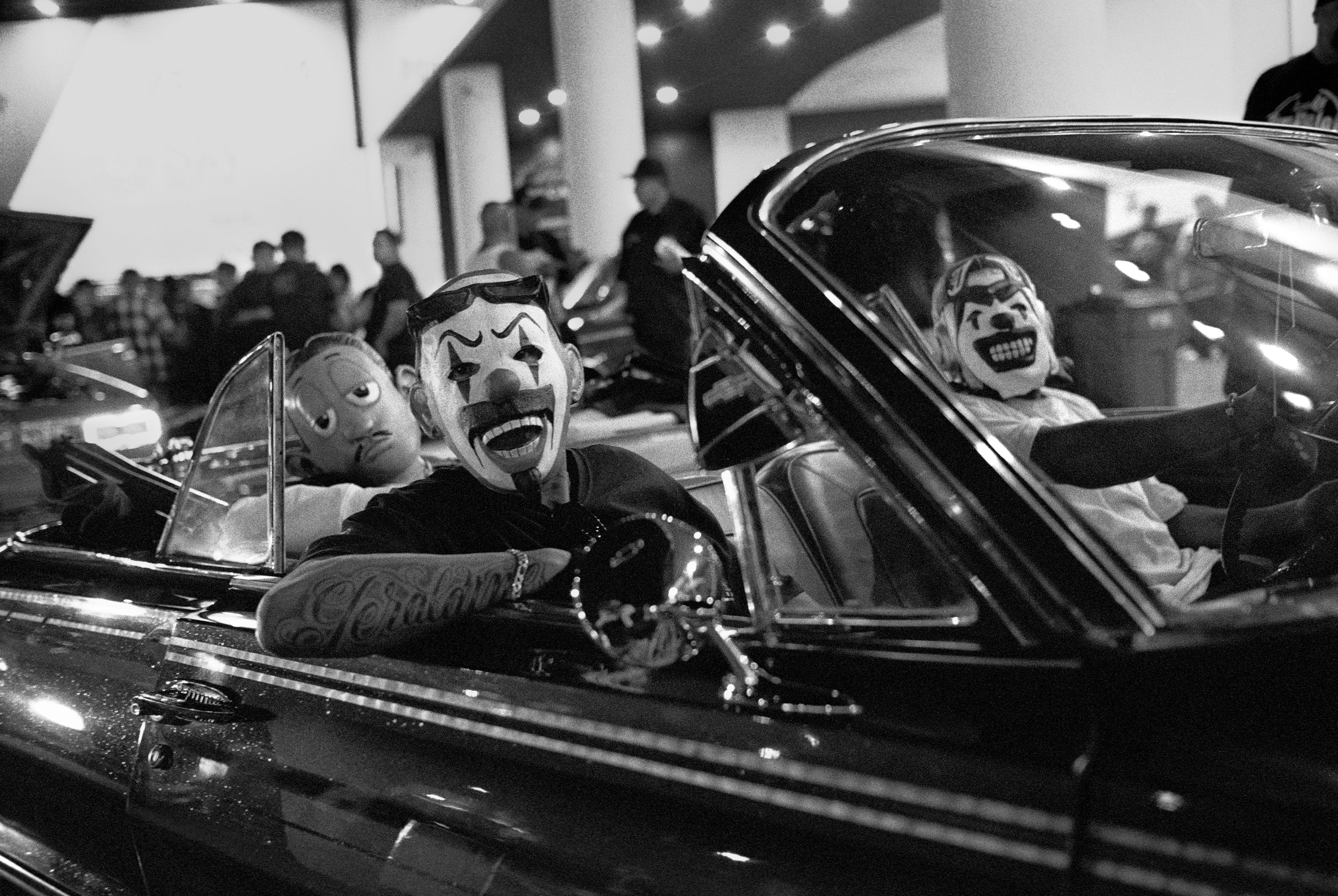
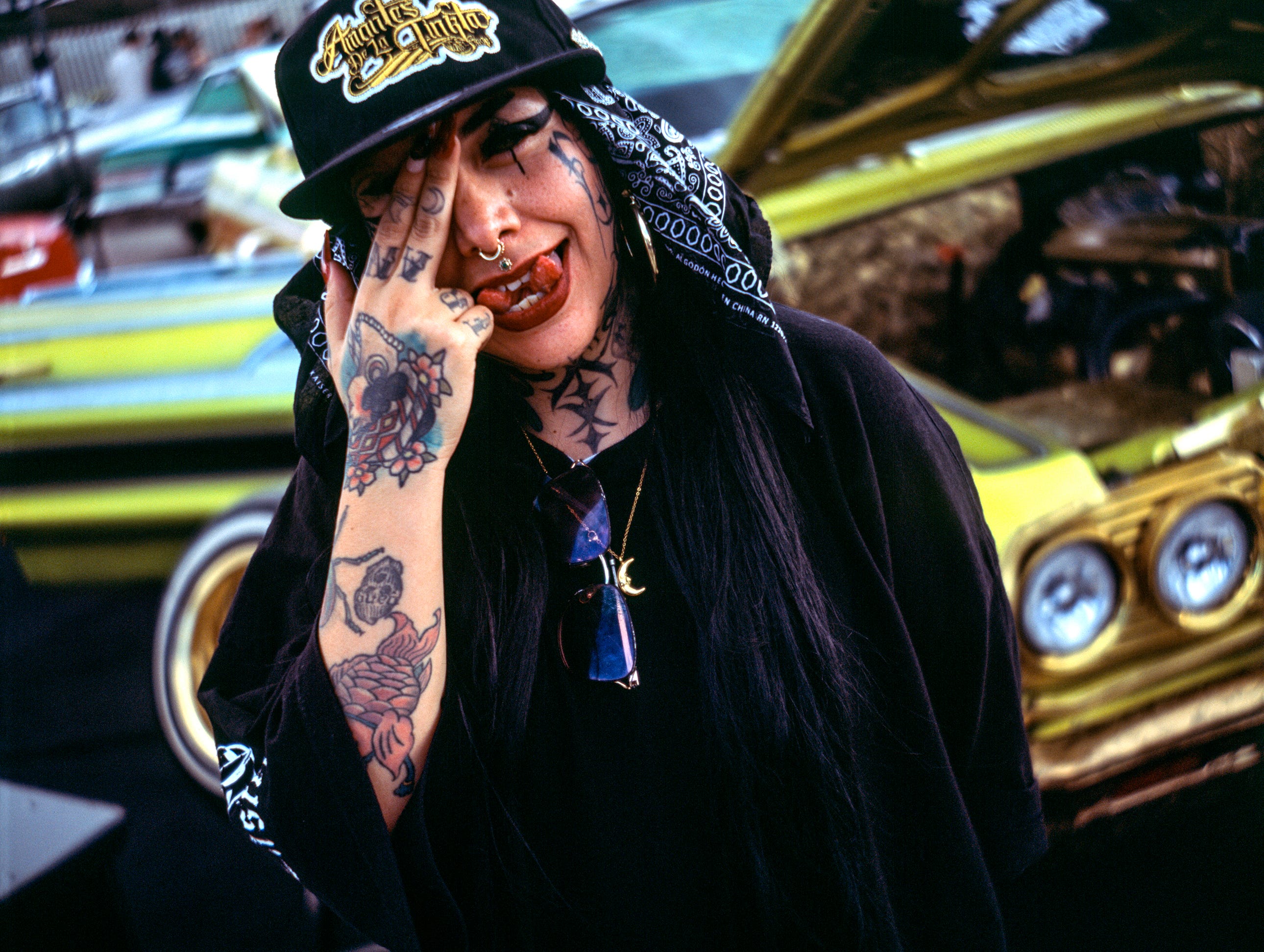
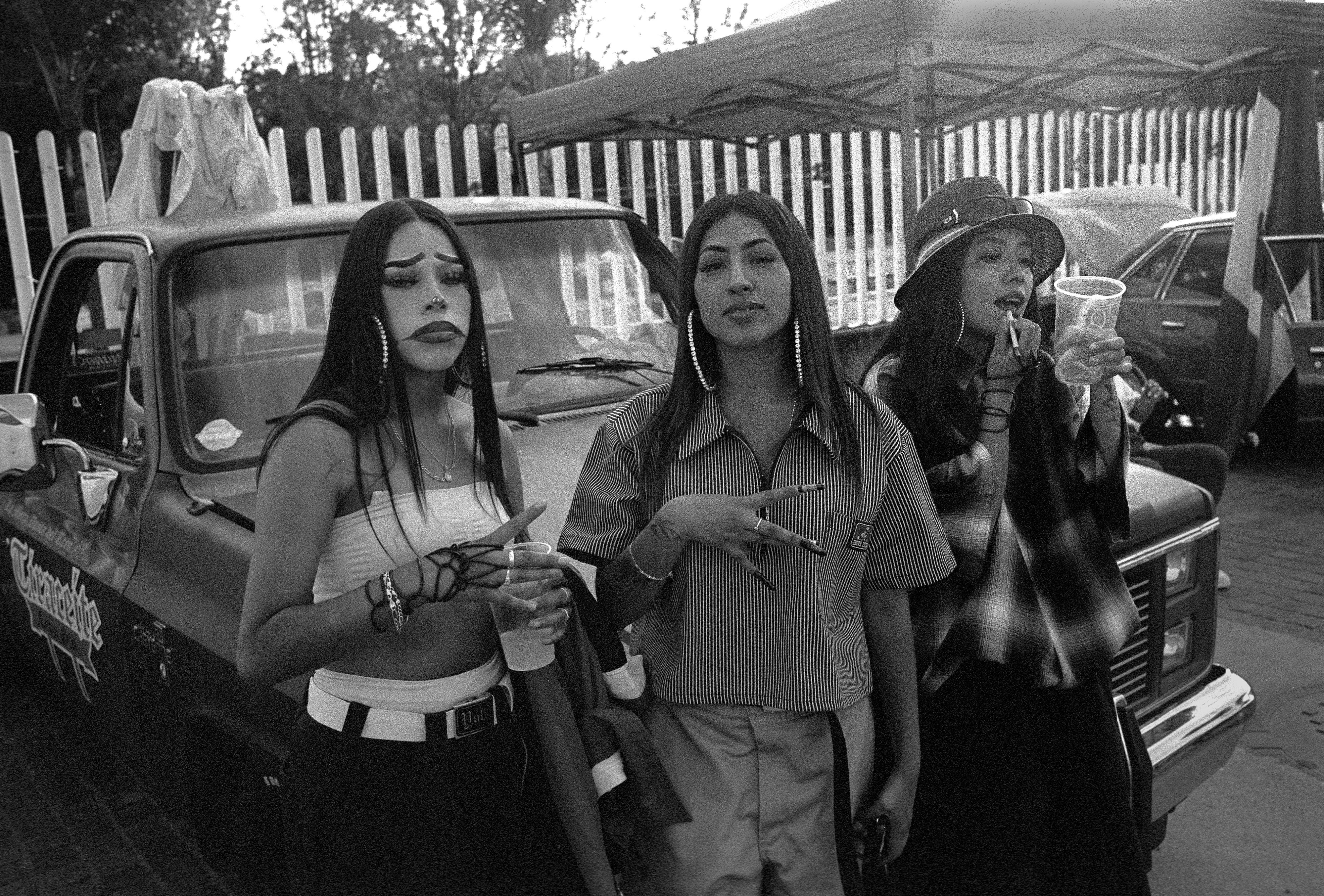
Gustavo: I don’t want to romanticize the cholo culture. It comes from really hardcore places, places where you have to fight for everything. The story of Neza cannot be told without these episodes of violence and economic violence they have to face every day in these kinds of places.
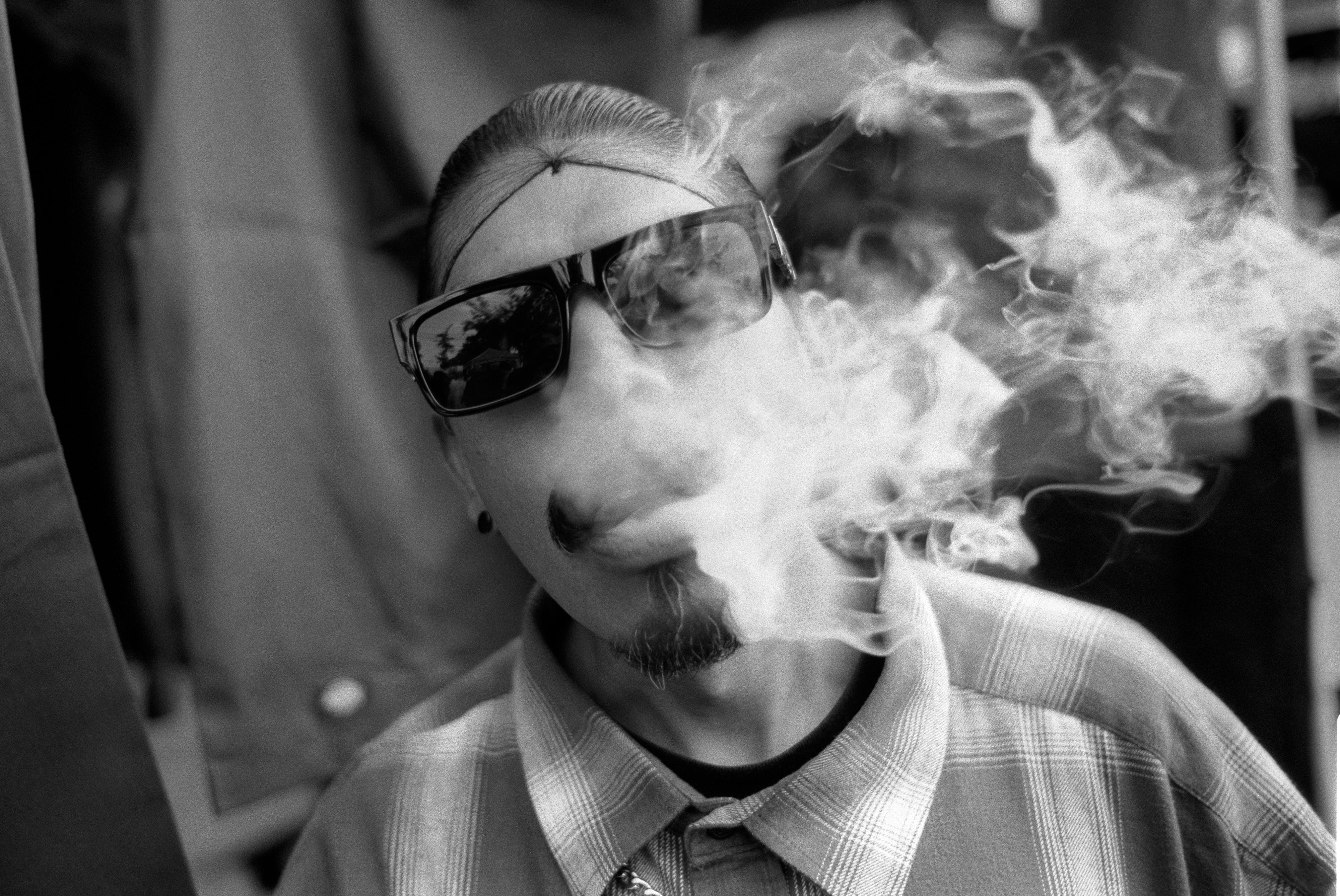
They don’t want to hide that they’re cholos. They want to talk cholo, dress cholo, and live like a cholo because it’s what they are. They’re a really proud culture.
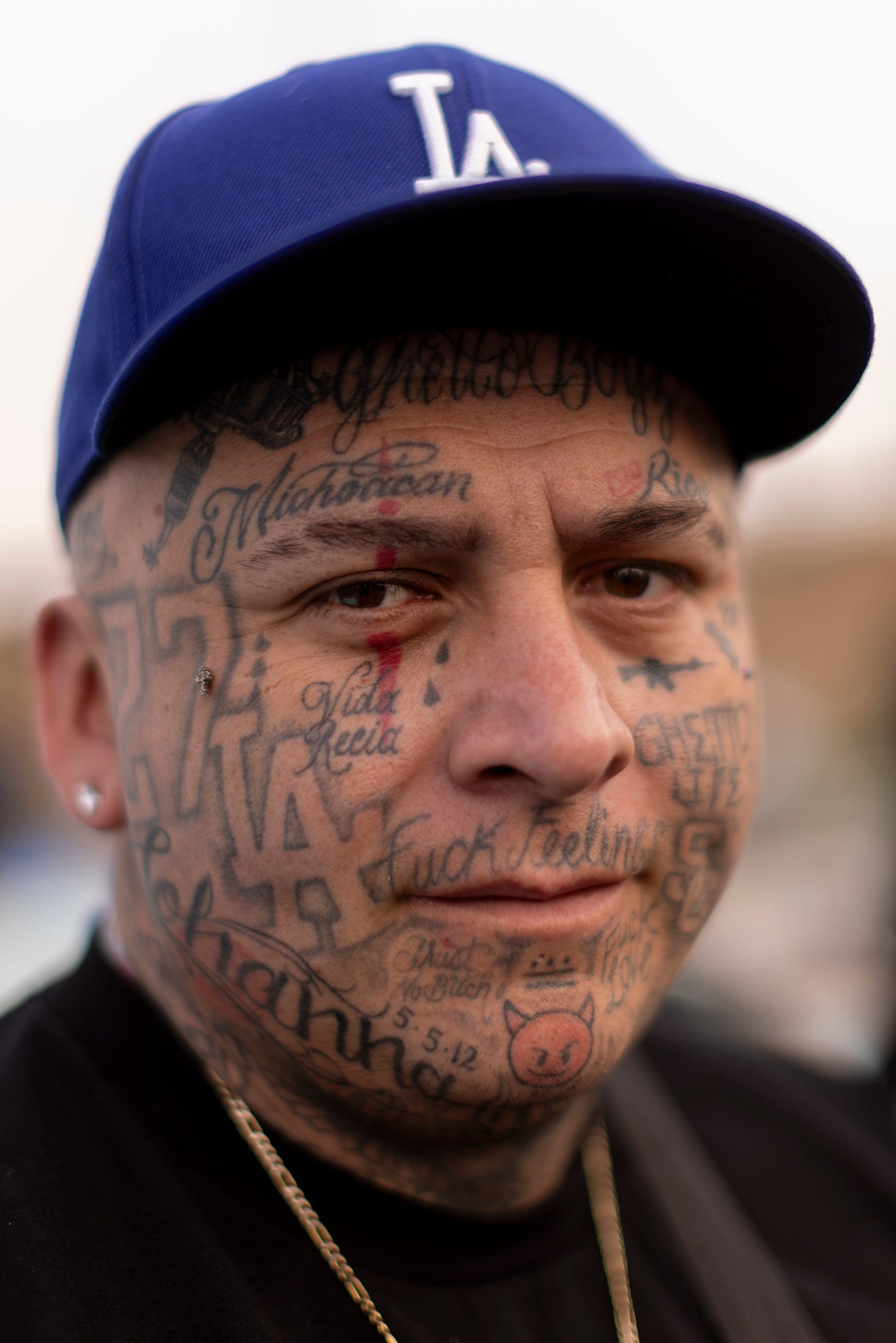
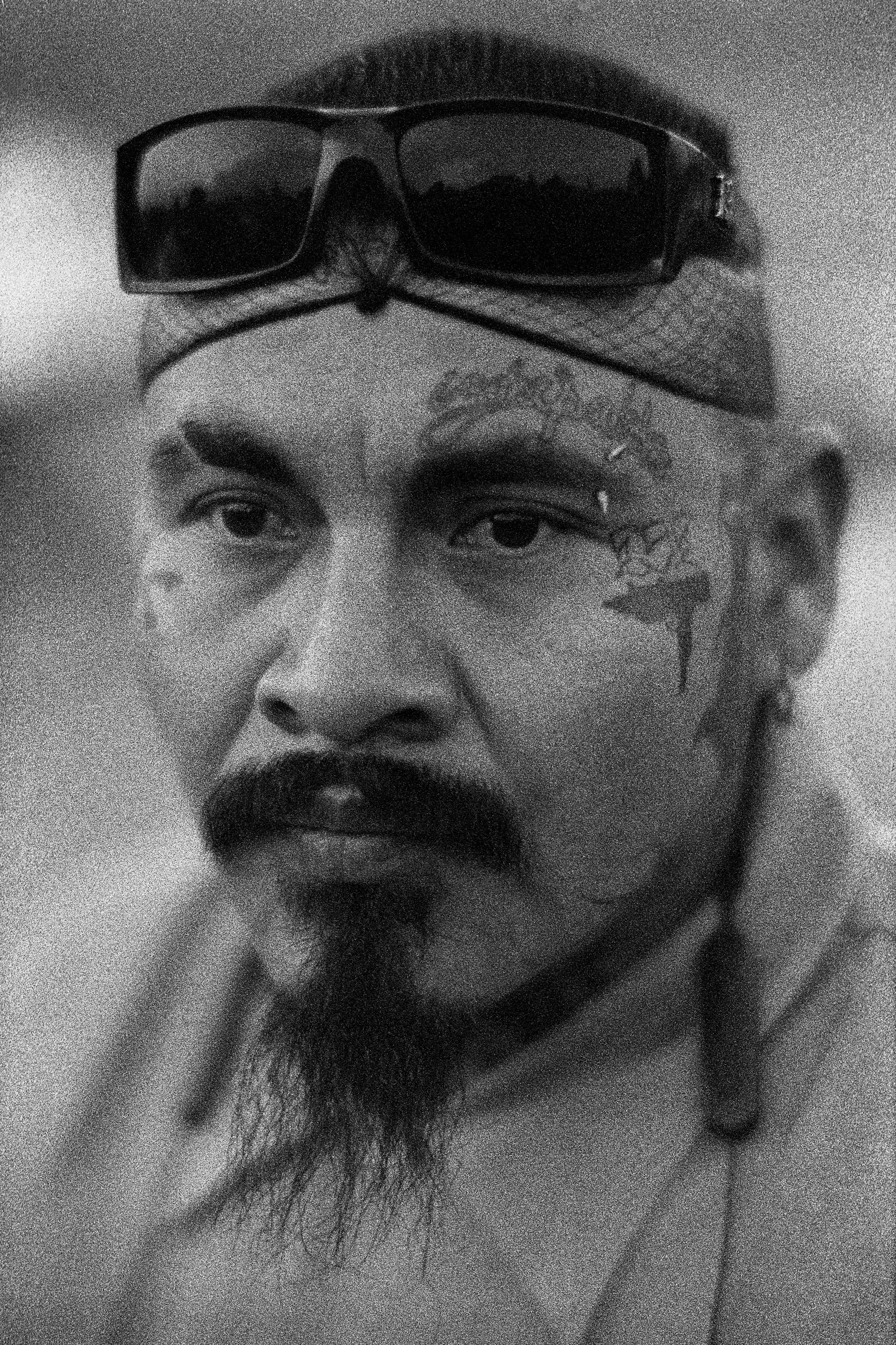
You can watch a video of Gustavo’s full interview and see more of his photos and footage here, or listen to an audio of his interview below.
Photos copyright Gustavo Graf
More of Gustavo’s work at: www.gustavograf.com
Text copyright Ioan Grillo and CrashOut Media 2026

Great pictures. I didn’t realize I pass by Gulfton in Houston on my daily drag to the office.
Brings back a lot of memories for me. Ramon was the first Cholo I met. He was a draftee from the barrios of Los Angeles, and I was a draftee from white, semi-rich suburbs of Chicago. Cholo 100%. Button upped shirt pants bulled high and the wide bandana covering the forehead down to the top of his framed sunglasses. For Ramon it was more than a costume or uniform. He was Cholo in spirit. Calm nature is the best I can describe. Reefer and music from Mexico of which I had never listened to. Lowrider. Did not even know what that was. Way more than the lowrider car we all know of now. He presented a slow, methodical walk and speech. We shared a hooch (bedroom?) for six months. My first Cholo.