

Para leer en español click aquí.
Mexican soldiers and federal agents stormed into a ranch in the foothills near the town of Petatlán in Guerrero state and kicked down doors to reveal dozens of bags, buckets and barrels of chemicals that would indicate a sizeable narco lab. Mexican security chief Omar García Harfuch announced the raid at dawn on January 15, saying it netted 25,000 liters and 12 tons of chemicals and the seizure “avoided millions of doses of drugs getting on the streets.”
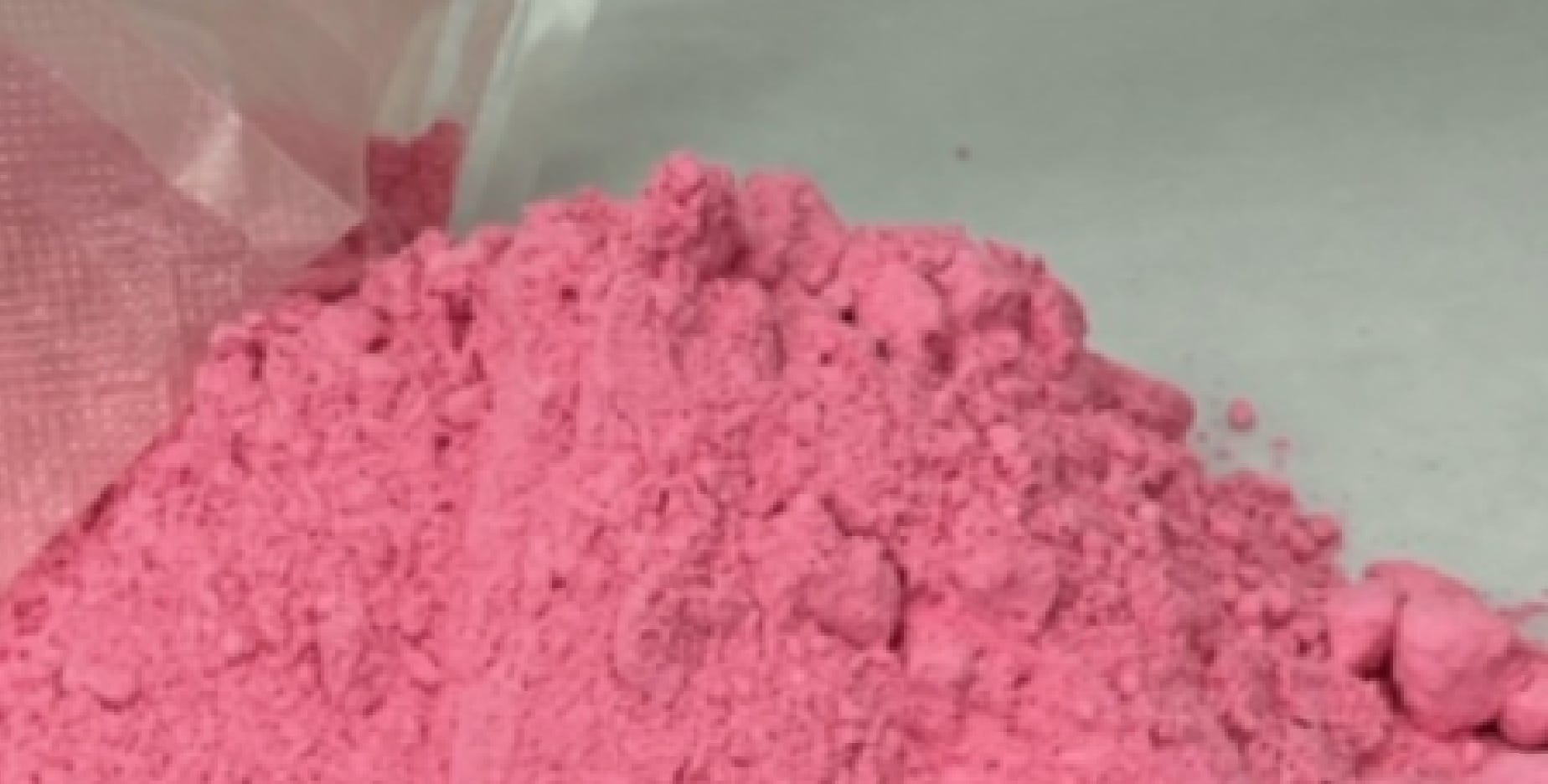
While García Harfuch gave few more details, Mexican federal agents leaked two important allegations to journalists. The first was that the lab was linked to Inés Omar Coronel, a Sinaloa Cartel affiliate who is brother of the most famous narco wife Emma Coronel, which makes him brother-in-law to El Chapo. The second was that the lab churned out both crystal meth and the synthetic drug “tusi,” or 2C-B, which is often referred to as “pink cocaine.” (The nature of pink cocaine is more murky as I get into below).
It’s not the first time pink cocaine, which is rampant in Colombia and Spain, has come up in Mexico recently. After the corpses of Colombian reggaeton singers B-King (or Bayron Sánchez) and Regio Clown (or Jorge Herrera) were found on the outskirts of the Mexico City urban sprawl in September, prosecutors claimed they were murdered in a dispute over selling tusi at a dance event here. A month earlier, police in Ciudad Juárez, on the border with El Paso, arrested two men with what they identified as a kilo bag of pink cocaine.
U.S. DEA agents actually allege that the Sinaloa Cartel has been involved in pink cocaine since…
Sorry folks, you need to subscribe to read this story. But it’s only the price of a cuppa coffee and you get the complete archive including exclusive interviews with top players and maps of cartel territory, and I will be following the tumultuous events with reports you can trust.