


Para leer en español click aquí.
The farmers and laborers were sweating in the fields round their village of Balcón in the mountains of Guerrero, Mexico, when the gunmen from La Familia cartel came for them, taking them hostage as part of an apparent bid to expand the mob’s territory. After three weeks, during which villagers rallied in large demonstrations to exert pressure, all but one of the victims was released. But the survivors describe how they were held in brutal conditions in a camp with more than 100 hostages.
Gunmen kept them half-starved on tortillas and water, a survivor said in an interview, and some prisoners were emaciated. They held young men, who they were force-recruiting to fight on the frontline for the cartel, he said, as well as children, women and old people. Some prisoners said they had been held for weeks but others for years. They believed there were about 130 people in their camp and that there are other such camps in the nearby mountains.
The other prisoners hailed from many parts of Mexico and some even said they were from California (there is a large community of people from Guerrero in the United States), the survivor said. The gunmen beat them and tortured them psychologically, he said, and they are not sure if their companion, who has not been released, is alive or dead.
“The real truth is it’s hell,” the survivor said. “They say they are going to kill us. They beat us with rifles. They jab us. They point rifles at us. They put rifles in your mouth saying it’s going to end here.”
The survivor gave the interview on video to a trusted journalist in Guerrero who provided it to CrashOut as well to the Mexican media outlet Milenio. Priest José Filiberto Velázquez has also interviewed the survivors and publicly condemned the kidnappings.
The startling conditions are in line with other camps that cartels, or to be precise networks of paramilitary organized crime, have set up over the years to hold hostages. Prisoners can include victims of kidnapping for ransom (especially migrants) and forced recruits, in states such as Tamaulipas and Jalisco. But the scale and brutality of these Guerrero kidnappings in a state close to the Mexican capital shows the government of Claudia Sheinbaum still faces massive challenges of cartels hammering civilians.
Mexico has tens of thousands of disappeared people, some who could be located in camps in these mountains. Local villagers are calling on more support from the Mexican army to defend them from such abductions.
“We are very scared from the bad experience that we lived. But we don’t wish for anybody to be like that,” the survivor said. “This has probably happened to many other people. But we are talking about it.”
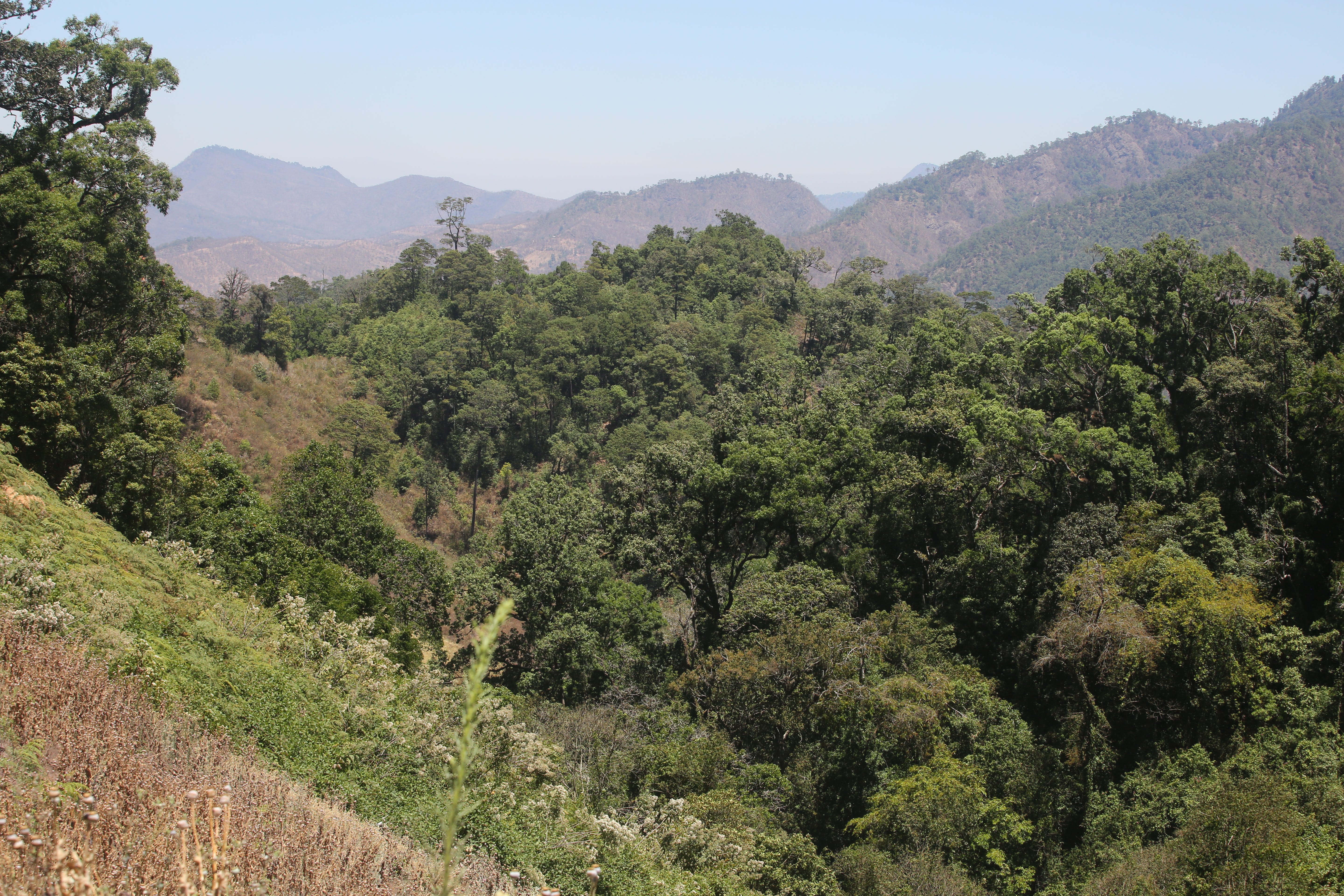
The Kidnapping
The Familia originated in the state of Michoacán in the 2000s, but is now strongest in the State of Mexico and in Guerrero where it is pushing over the mountains towards the coast. The cartel, or a faction of it, is also known as La Nueva Familia Michoacana, or LNFM, which the U.S. government included on its list of designated foreign terrorist organizations.
The survivor gave a detailed description of the kidnapping, the horrific conditions in the camp and the method used to force-recruit hostages into the cartel, including additional threats to their families. On Sept. 24, he said, a terrifying force of about 80 gunmen dressed in military uniform stormed into the village of Balcón and …
Sorry folks, you need to subscribe to read the rest of this story. But it’s only the price of a cuppa coffee and you get the complete archive including exclusive interviews with top players and maps of cartel territory. And now is a great time to subscribe with so much going on, and I will be following the tumultuous events with reports you can trust.