

Para leer en español click aquí.
This is from “Piso,” a special series on extortion in Mexico.
Other stories include:
Acapulco - From “Pearl of the Pacific” To Protection Central
Mexico’s Soaring “Narco-Inflation”
Mexico State - Golden Goose For Extortion
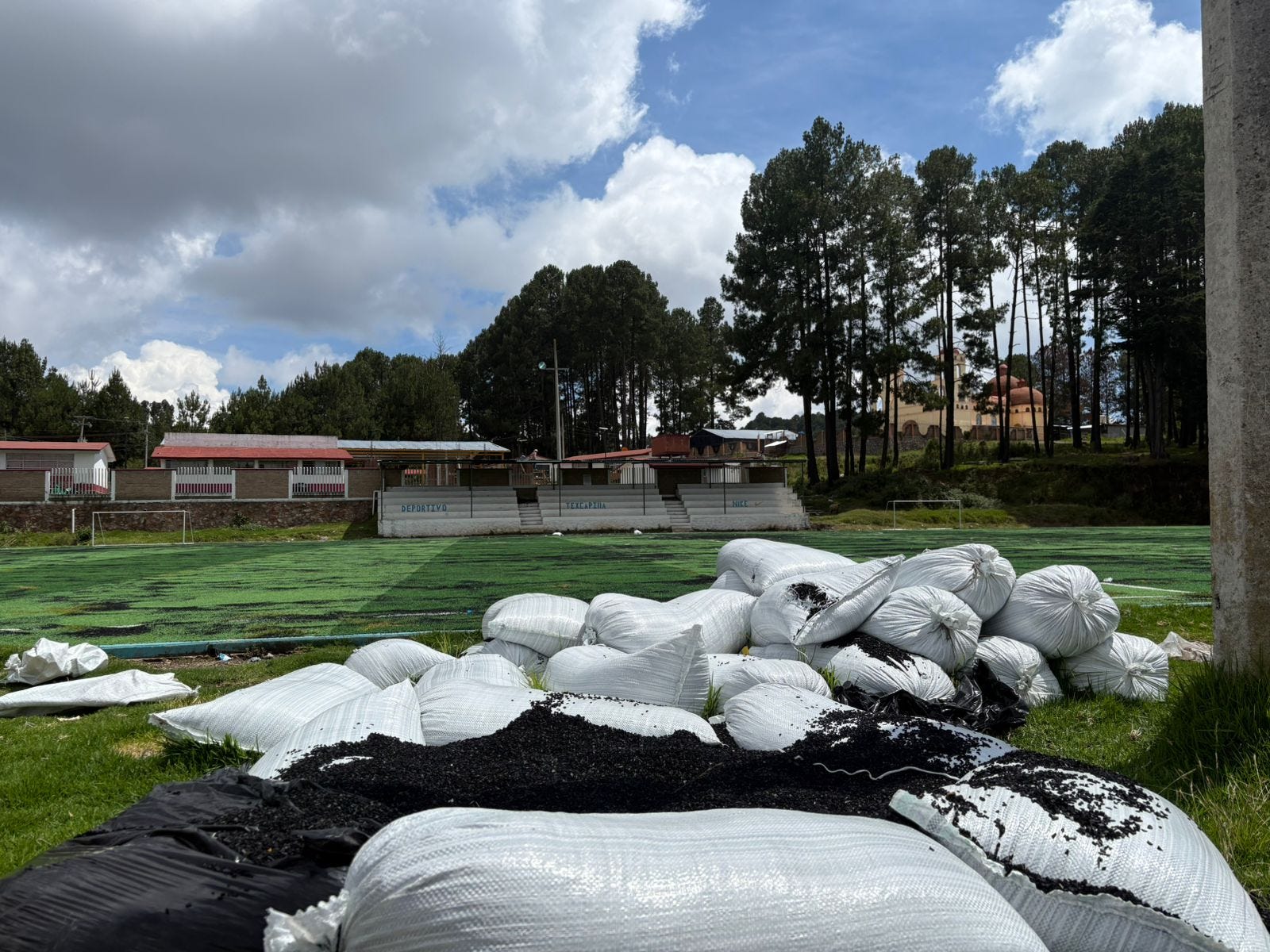
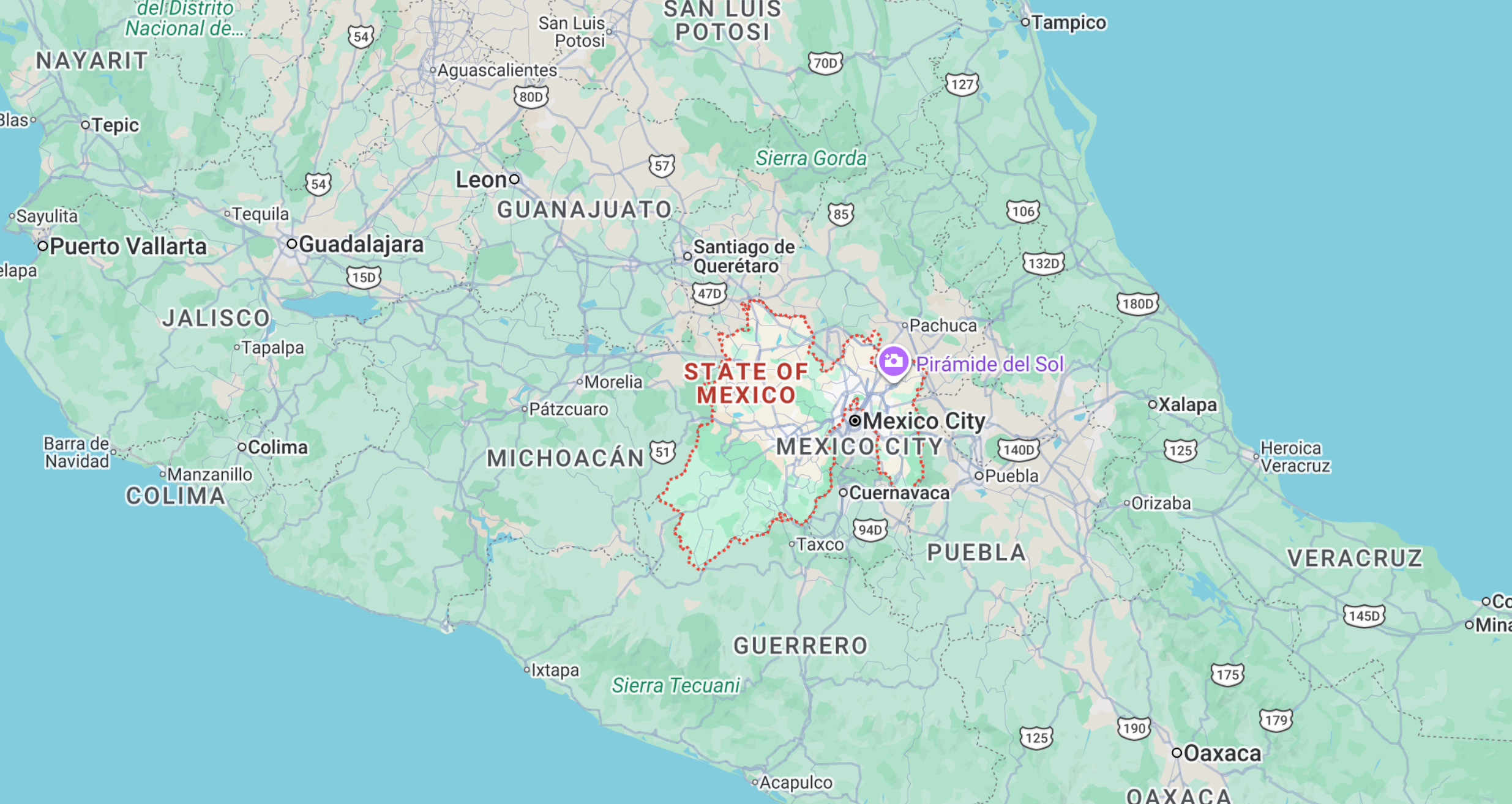
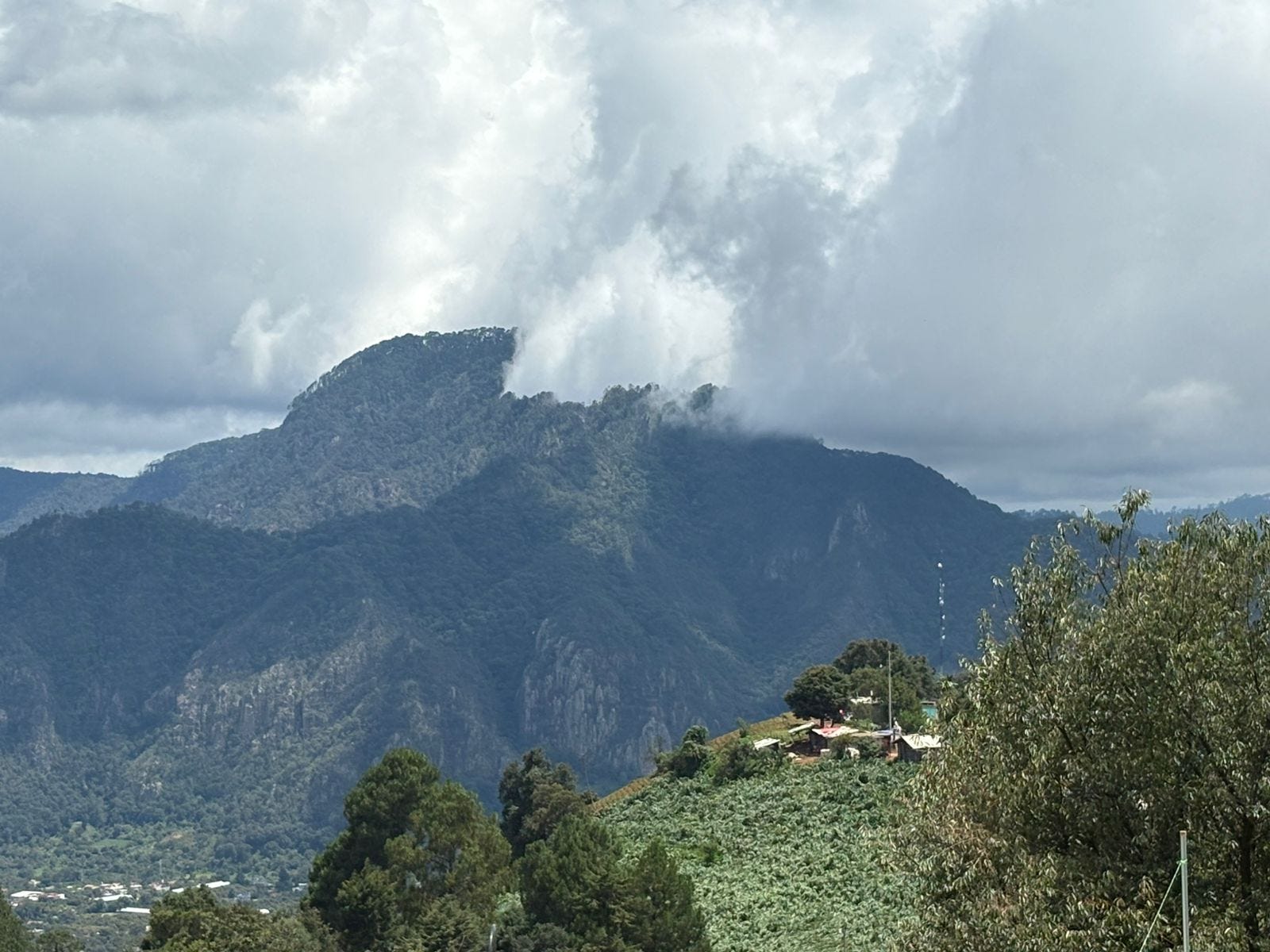
Texcapilla, a village of bean farmers and cattle herders carved out in green hills to the south of the Nevado de Toluca volcano in central Mexico, appears an unlikely place for a cartel confrontation. Yet in December 2023, it came to national attention when local ranchers faced off the mob known as La Familia Michoacana, which was demanding payments for every hectare of crops they raised and every head of cow they sold.
The fight erupted on the village football pitch when a cartel crew came to collect and made demands for a hike in fees. As was captured on video, the farmers went against the gunmen while mostly just wielding machetes and even sickles. By the end of the bloody battle, four villagers were shot dead but they hacked down ten cartel operatives, including a local Familia boss nicknamed “El Payaso” or “The Clown.”
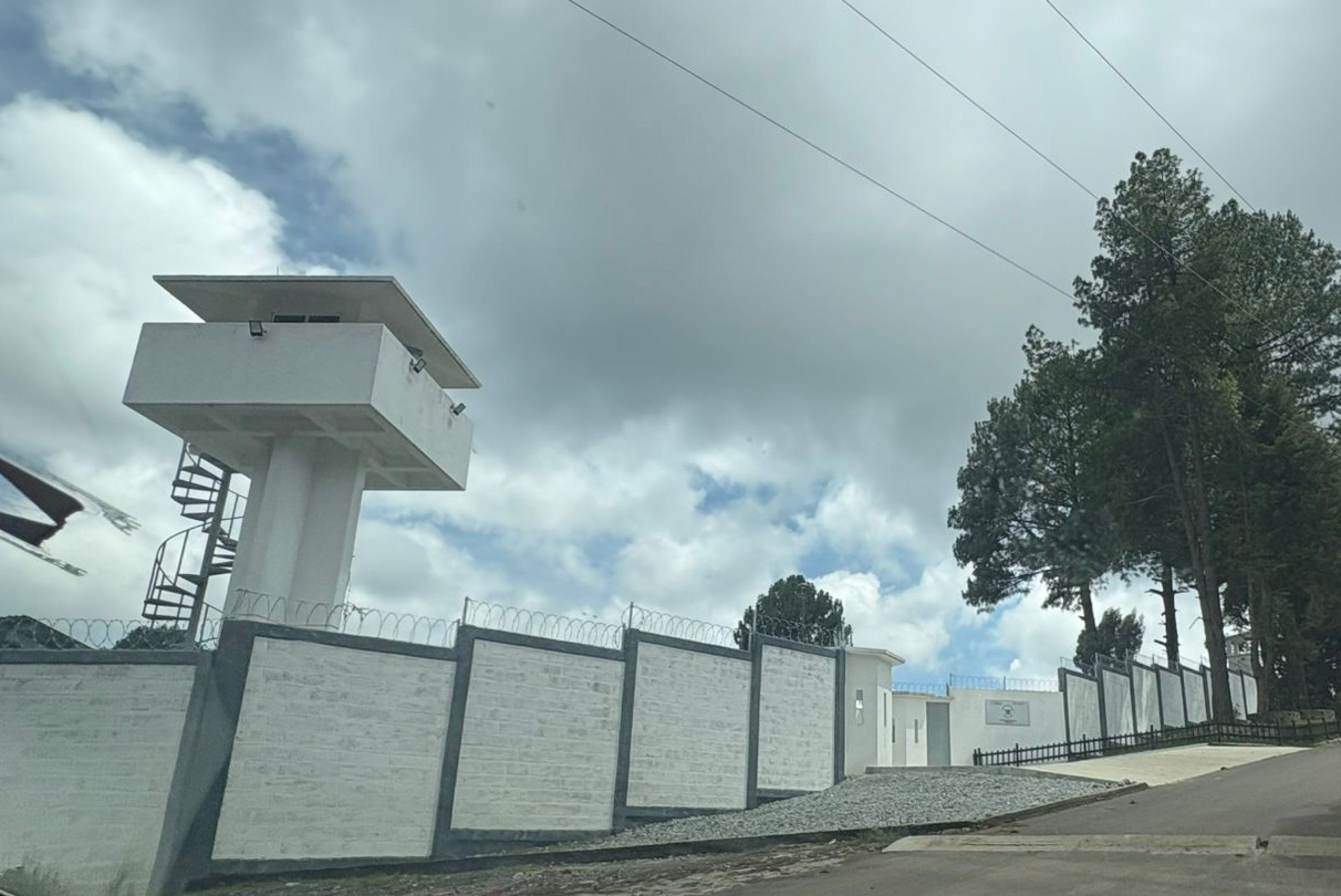
The heroic stand didn’t end problems for the farmers, however. In the following days, various villagers disappeared, presumed to be kidnapped by cartel gunmen; at least seven are still missing more than two years later. Mexico’s National Guard built a base in Texcapilla to prevent the Familia carrying out a revenge massacre on the entire village, yet there is still a sense of siege.
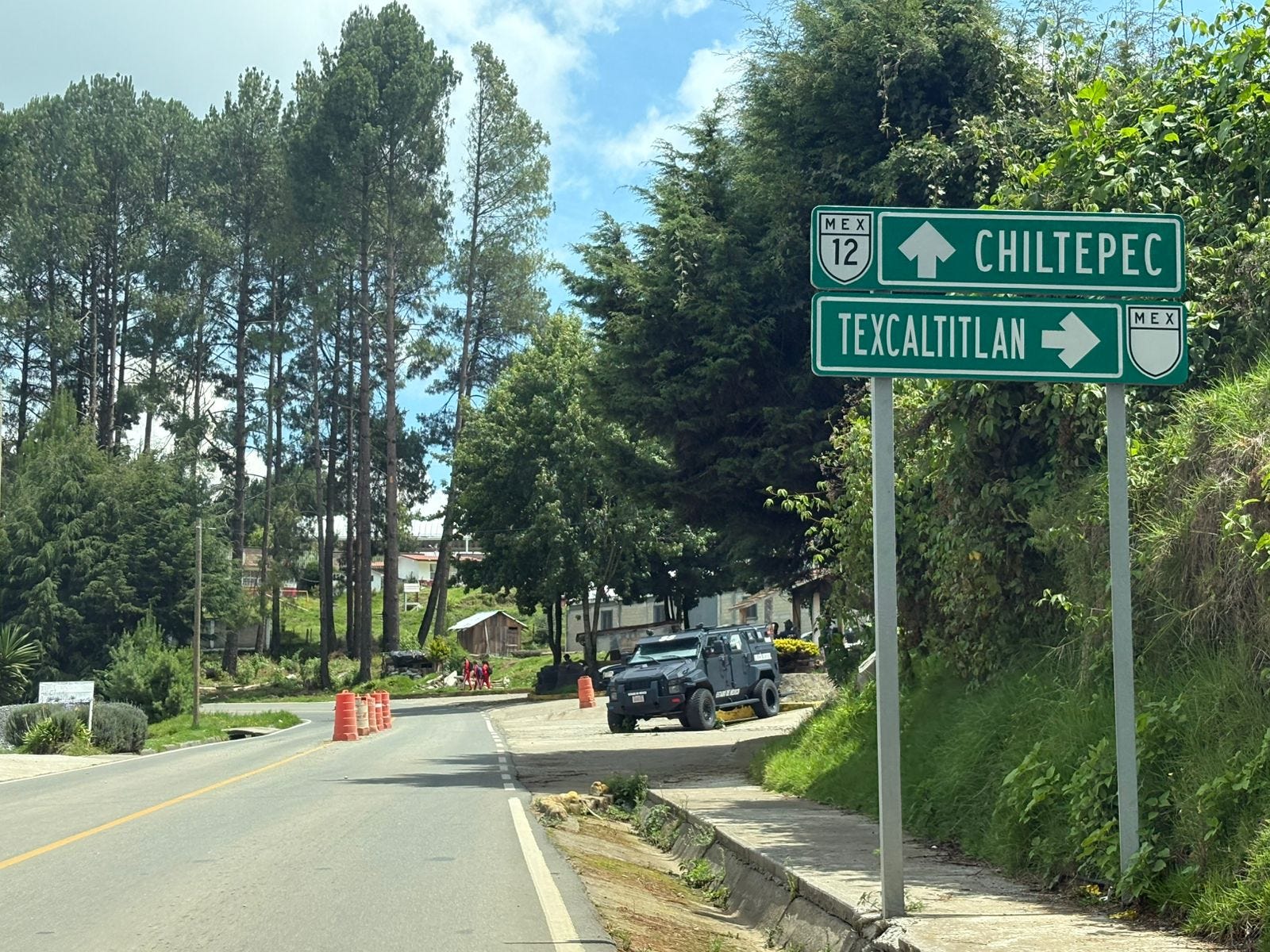
When I arrive in the nearby town of Texcaltitlán this week, taxi drivers tell me the Texcapilla farmers have banned them from taking passengers to the village. “Ahí está el detalle,” (that is the thing), a driver tells me. “We are prohibited from going. They are capable of torching my car.”
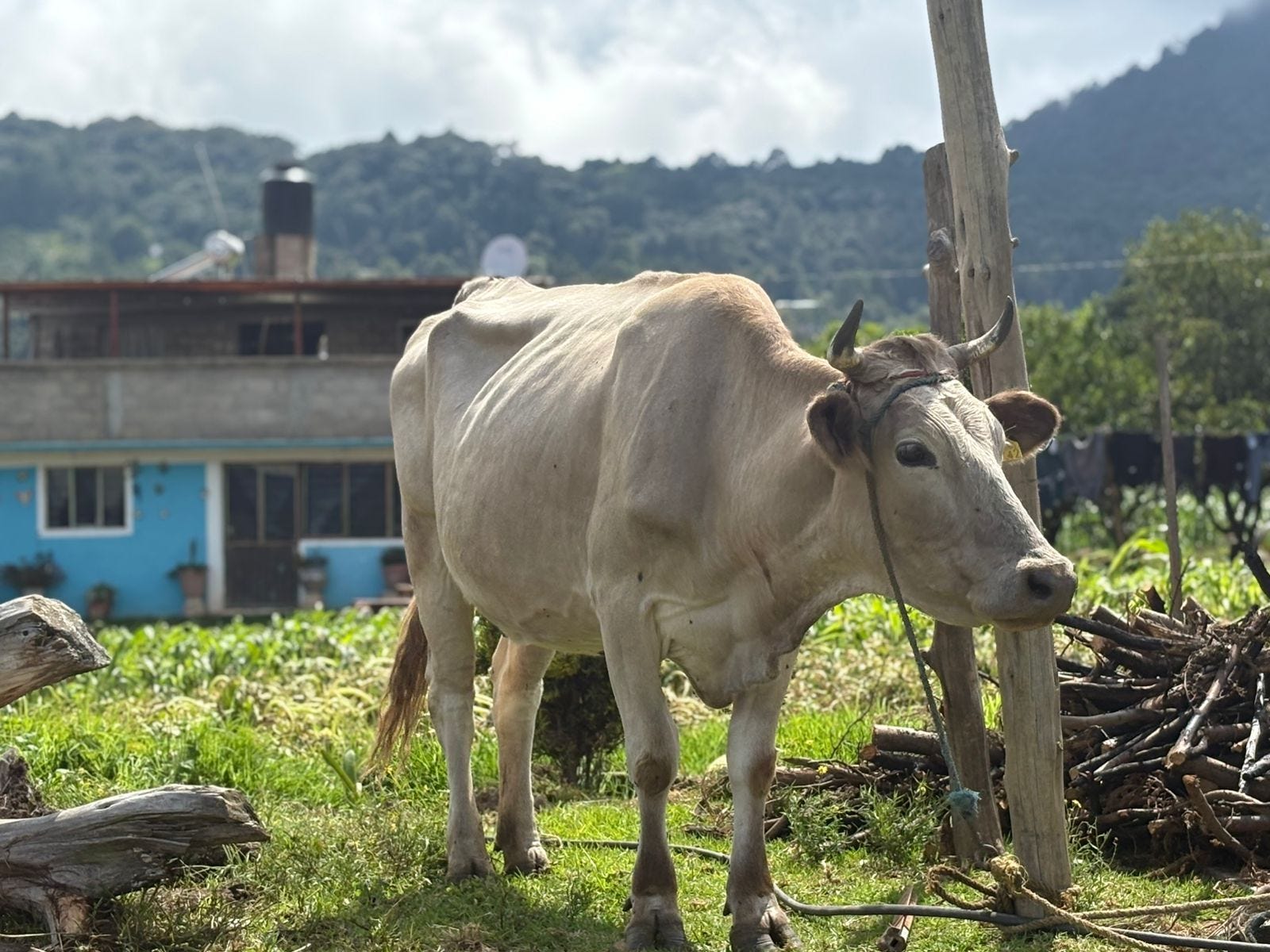
Eventually, he agrees to take me in a private vehicle and we reach Texcapilla passing through an army check point. Inside the village, I speak to a pair of residents who say they still fear the wrath of the cartel and villagers are suspicious that anybody coming in could be working for the mob. “We are not paying the quota anymore but it’s like we are living in a cage,” said a farmer who was feeding his cows on a field on the outskirts of the village. “People here are scared to go anywhere.”
This series Piso digs into the issue of extortion, a crime that has risen to have massive political and economic implications in Mexico but is understudied and is tough to report on. Cartels and gangs run extortion rackets across the country, charging businesses large and small what is known as “cobro de piso,” which translates literally as “floor charge.” This now competes with drugs as a top racket of cartels, hurts millions of hardworking people and hammers enterprise.
Mexico State, where the village of Texcapilla is located, is the most populous state in the country with over 17 million residents and a GDP of 2.3 trillion pesos, or $130 billion. It’s a microcosm of Mexico, incorporating poor barrios and luxury suburbs in the Mexico City urban sprawl, the industrial city of Toluca and its car factories, picturesque tourist towns, pyramids and indigenous villages. It has also become a key target for extortion as gangsters have pushed in from surrounding states to target its riches.
Cartel Construction Fee
A broad range of businesses in Mexico State (abbreviated in Spanish as Edomex) complain of gangsters charging piso. Chicken sellers in the Toluca urban area say they are forced to pay up, which raises the price of chicken for residents. In 2023, four workers at a chicken warehouse were kidnapped and held for three months, reportedly over an extortion payment. Truck drivers have blocked roads over shakedowns. Restaurants in municipalities bordering Mexico City have complained of being charged the quota.
It also affects private citizens and not only Mexicans. A foreigner living in Mexico City described to me how he and his wife, a Mexican citizen, purchased land in what they believed was a safe high-end development in Edomex. However, when they began construction, a van rolled up to the site packed with guys with rifles.
The thugs made the claim they worked for a union and said the owner had to pay a construction fee of 30,000 pesos ($1,700). However, talking to others building in the area, he identified them as being from a criminal faction that operates in that part of Edomex.
After consideration, he agreed to pay and handed over the money in cash; it was a relatively small fee for building a house now worth about 8 million pesos, or $500,000. “You look at it as the cost of doing business in Mexico,” he said. “It’s just about okay. You are not going to be too pissed off about it, you are going to pay it. So other people keep building as well.”
However, it’s not only a financial cost but a threat that spreads fear in families. “It’s real and it’s actually happening and it’s dangerous. Sometimes we don’t realize how close we are to danger in Mexico,” he said. “I would probably be thinking in the future about options in Europe, because it is scary.”
Cartels Pushing In
Cartels first began collecting cobro de piso in parts of Mexico during the 2000s, expanding on how they extracted fees from criminal enterprises, such as charging drug dealers or human smugglers. However, extortion really increased during the 2010s and then even more so this decade. This is for various reasons, including an expansion of cartel paramilitary forces, which need to be paid for, and a shift from kidnapping for ransom to extortion, as the latter is lower risk. The switch from heroin to fentanyl also caused a crash of opium prices that pushed some groups to seek other funds.
A number of mobs operate in Edomex, including gangs from Mexico City like La Unión Tepito, national mafias such as the Jalisco New Generation Cartel and local crews with names like La Choquiza and Los Masse. But the most dominant force in the state is La Familia Michoacana, also known as LFM, La Nueva Familia, or simply the Familia.
The Familia originated in the state of Michoacán in the 2000s, formed by a crew of meth traffickers including “El Más Loco,” (The Maddest One), El Tio (The Uncle) and El Chango Méndez (Monkey Méndez). However, in 2010, Más Loco took over the core of the cartel and renamed it as the Caballeros Templarios, or Knights Templar, pushing Monkey Méndez’s people over the state border into Edomex. These remnants kept the name Familia but turned Mexico State into their bastion.
Over the years, the Familia expanded back into Michoacán and created a big presence over the mountains in Guerrero. It’s now become a powerful regional cartel controlling a significant chunk of central Mexico, and commands paramilitary forces fighting near the Guerrero coast with weaponized drones. The U.S. government included “La Nueva Familia Michoacana” on its list of designated foreign terrorist organizations (it used that name to cover all factions of the Family).
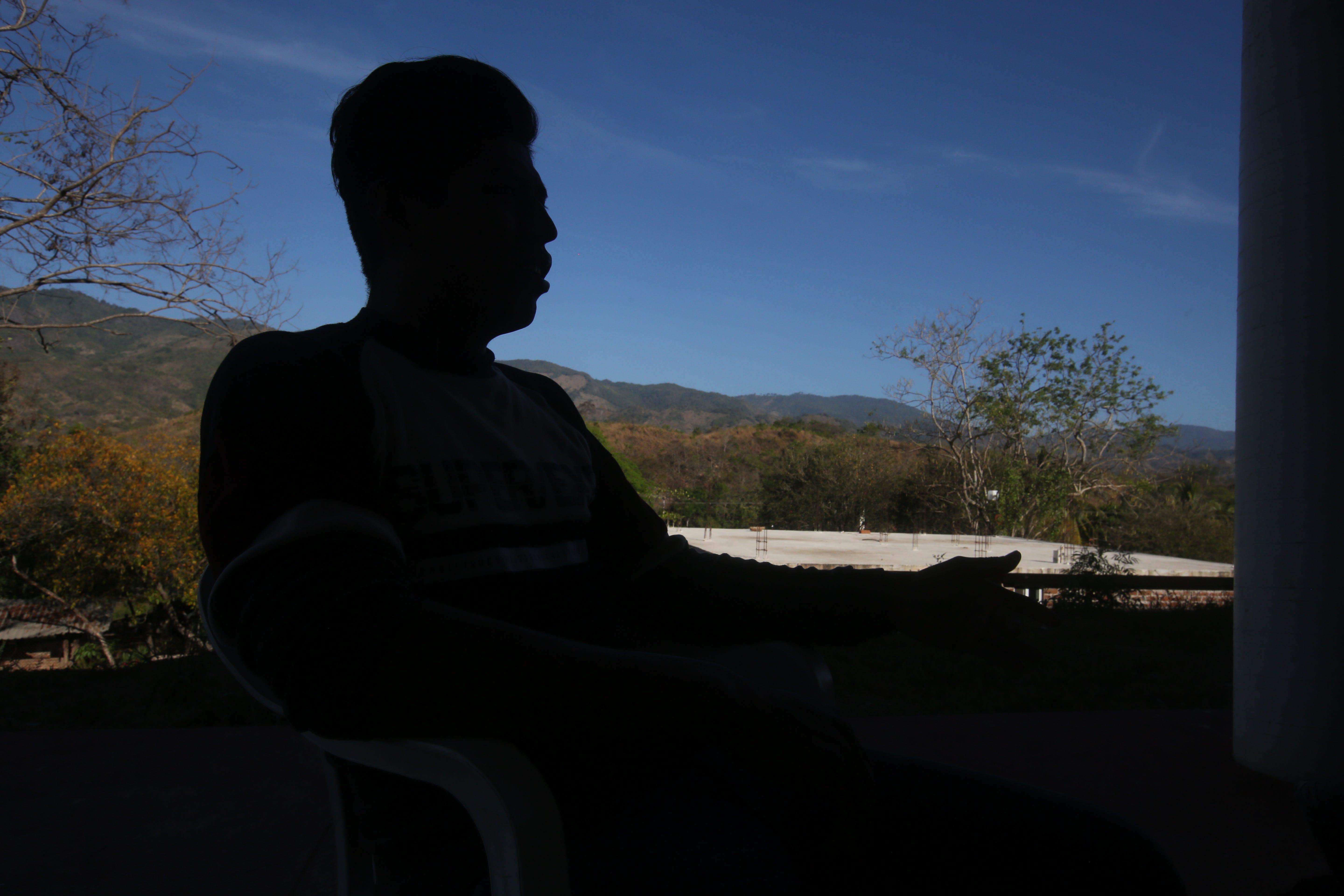
In 2024, I interviewed a young operator for the Familia, pictured above, while he was held prisoner by a rival armed group in Guerrero. He described being recruited in his largely indigenous small town in Edomex and being paid 14,000 pesos ($800) a month to fight as a foot soldier in the mountains of Guerrero. The mayor in his small town worked with the Familia and it has many other officials on its payroll, he said. He was captured after he failed to keep up with his paramilitary unit, which moves like a guerilla troop in the mountains, and was wandered starving; I don’t know if the crew who held him ultimately let him live.
The Government Fight Back
Extortion is poorly documented in Mexico so it’s tough to know its true scale. Because of the threat of violence and murder, it’s likely the vast majority of victims don’t go to the police. The business lobby Coparmex estimates that more than 96 percent of extortion is thus never reported.
The official numbers on extortion also include cobro de piso alongside the crime of thugs calling up phone numbers randomly to demand money (often making calls from prisons), and getting terrified respondents to deposit in accounts. While the perpetrators of these calls will often cite names of cartels they are just copycats stealing their reputation and don’t follow up. This crime is annoying and many people in Mexico, including myself, have had these calls, but it’s a less serious problem than the piso.
Overall, Coparmex says that across Mexico, companies lose more than 21 billion pesos, or $1.2 billion, to extortion every year. However, judging from how unreliable the numbers are this sounds like a broad “guesstimate.” Furthermore, considering how cobro de piso is happening so blatantly in large swathes of the country, from Tamaulipas to Chiapas, it could be a lot more.
President Claudia Sheinbaum has reacted to the extortion crisis and signed a law in November giving higher sentences to extortionists (full text of law here). Security Secretary Omar García Harfuch has subsequently ramped up operations against gangs, with raids carried out across Edomex in particular; an operation named Desconexión there in April netted more than 100 alleged shakedown artists.
Mexico State governor Delfina Gómez, who is also in the ruling Morena party, claims that with these arrests extortion cases went down significantly in the first months of this year. However, as such a small percentage were ever reported anyway, this is tough to prove. Perceptions of insecurity in Edomex are still high, with a government survey finding 75 percent in Toluca, 80 percent in Naucalpan, and 87 percent in Ecatepec, feel insecure.
Demanding piso is a way that organized crime heavily impacts regular people. A concern is that while some cartels seem to be dialing back the murder body count, as I report here, they are less likely to reduce shakedowns as this impacts their finances. In the 2010s, El Salvador encountered the problem that gangs reduced murders while keeping up extortion, until President Nayib Bukele finally went for mass incarceration.
When the government fails to provide security, people take justice into their own hands, like the farmers of Texcapilla did. That has so far been a largely isolated incident but Sheinbaum’s fight against extortion needs to yield real results to stop the risk of such violence becoming more widespread.
The series Piso is produced by CrashOut Media with the support of Transformative Incorporated (thanks there Transformative for reading CrashOut and getting involved). More info to follow.
Photo credits from top: 1) Eric Sánchez; 2,3,4,5) Ioan Grillo; 6) Javier Verdín; 7) Ioan Grillo
Copyright Ioan Grillo and CrashOut Media 2026

The title of the article grabbed me pronto. A short story. A man and family moved across the street from me roughly ten years ago. In Houston in what could be described as an affluent neighborhood. I lived there since 2003. I presently enjoy life in North Texas with few neighbors that I can easily describe as very rural. I reached out to Orestes when I noticed his license plates were from Quintana Roo. They had just moved from Playa del Carmen where he had a beautiful house where in also he had his medical practice. He was a family doctor with many years in the practice. over time he explained why he moved away. Several years ago, he started receiving correspondence from some sketchy people. They wanted a floor tax or piso to continue his practice. He was adamant that he would not be extorted. In a short time the correspondence became violent and full of threats to himself and family and home. He landed in Houston. His medical credentials were worthless here so he worked on an off with hospitals in positions below his abilities. Definitely a rude transition from him.
What an excellent piece, Ioan. All encapsulated from the sad Michoacan start to present. Whew. And the extortion -- simply everywhere. On MX east coast occasionally they'll shut a gang down, but it takes forever to do so. And you're so right. This problem certainly is under-addressed. A not so secret secret.