

Para leer en español click aquí.
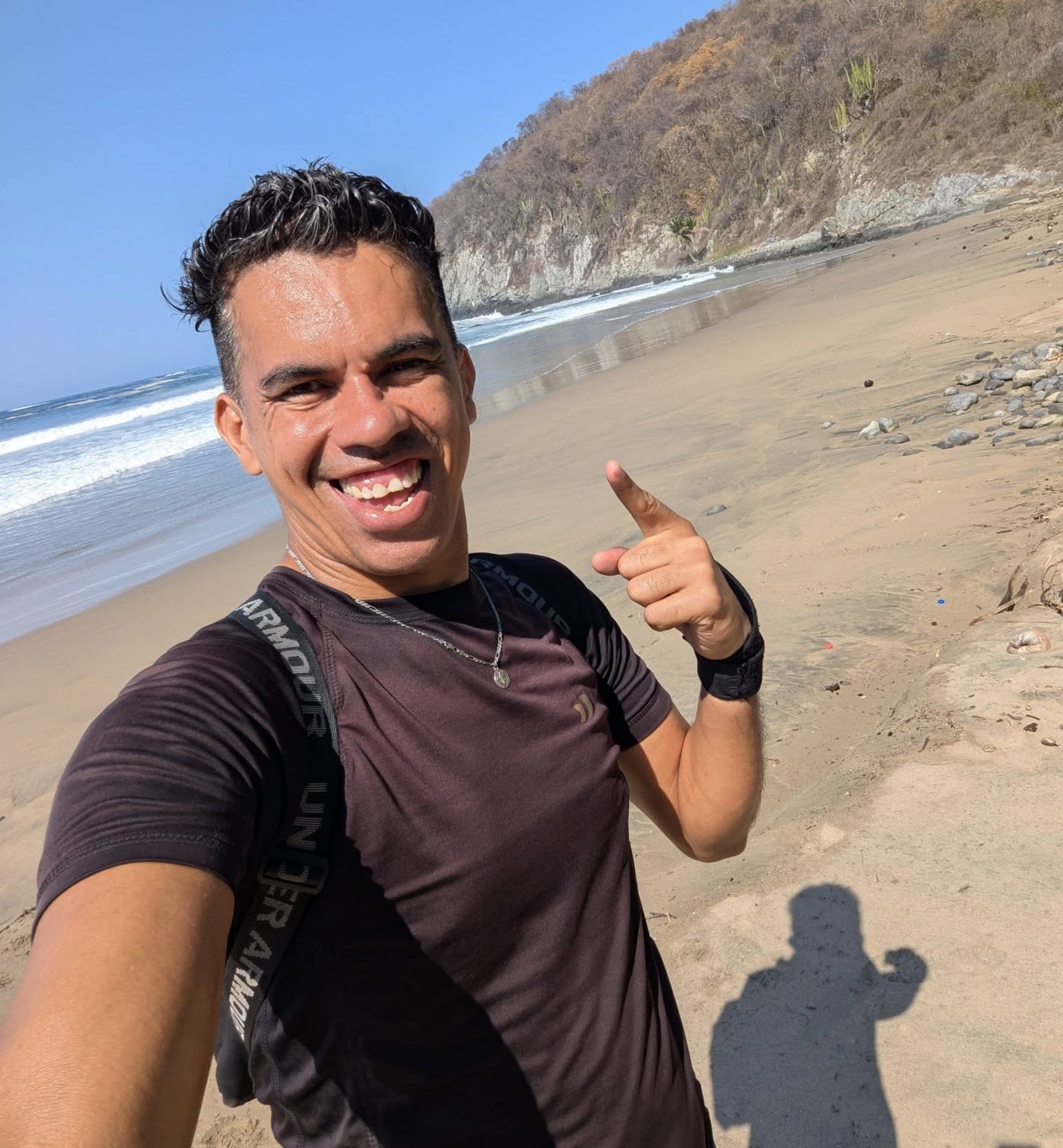
Manuel Alejandro Moreno Serna, better known as Alex Serna, was surprisingly bold in the way he condemned environmental destruction and political corruption in his native state of Guerrero, Mexico. Mixing the style of a journalist, activist, and influencer, the 39-year old posted videos to 164,000 subscribers on YouTube and another 33,000 on Facebook, as well as on other social networks.
Serna commented on a range of issues, from foreign affairs to Mexican show biz, but his passion was the environment. He exposed rivers being polluted, beaches being bulldozed, water supplies being poisoned. He published names of companies responsible, showed their lack of permits and called out politicians he says were involved. This was despite living in the resort city of Zihuatanejo, which has been ravaged by a turf war between rival cartels, who also infiltrate businesses and political groups in the area, and have forced various journalists to flee.
“Alex Serna wrote with such freedom it was like he was not in this place where he stood,” wrote journalist colleagues in the outlet El Tlacolol, based in the Guerrero state capital of Chlipancingo. “What Alex Serna did do, in a blunt way, was question power and the powerful.”
In March, Serna posted about a threat he received and said the account behind it was linked to a business he was investigating, owned by a powerful political family. “Bájale de huevos hijo de tu puta madre,” - “Chill the fuck out, son of your whore mother,” the threat said. “No estamos jugando ya tenemos tu ubicación y todo - “We are not playing. We have your location and everything.”
Serna didn’t back down. He carried on reporting until his last video posted on June 20, which showed environmental damage in nearby villages and accused a foreign businessman of being involved. That day, while Mexico was focused on the World Cup, with games being played in Mexico City, Guadalajara and Monterrey, he disappeared.
To go missing in Mexico is tragically common with a government list of more than 130,000 people unaccounted for. In Zihuatanejo itself, at least ten other people disappeared in late May and June, and frightened families only quietly denounced the cases. “The municipality became a black hole,” the journalists wrote in El Tlacolol. “Fear in Zihuatanejo is unbearable.”
Amid this terror, it took at least ten days before Serna’s disappearance made news. Even then, several more days passed before the state government confirmed that his corpse had been sitting in a public mortuary; his own family had also been threatened and terrified to go there according to accounts.
Serna’s body had actually been discovered two days after his disappearance, a state human rights group finally revealed. The corpse showed signs of torture and was found in a…
Sorry folks, you need to subscribe to read the rest of this story. But it’s only the price of a cuppa coffee and you get the complete archive including exclusive interviews with top players and maps of cartel territory. And now is a great time to subscribe with so much going on, and I will be following the tumultuous events with reports you can trust.