

By Juan Alberto Cedillo and Ioan Grillo
On Sept. 3, 1992, the lawyer Federico Livas got an urgent message from his star client, the drug lord Miguel Ángel Félix Gallardo, who was incarcerated. Federal police were raiding the house of Félix Gallardo’s mother in the upscale Jardines del Pedregal neighborhood of Mexico City, he said. The legal team needed to get there fast.
Livas rushed down with fellow lawyer Teodoro Ramírez, and several assistants. It was a trap. The federal police were really narcos under the command of a hit man, Ramón Laija, alias “El Colo.” When Livas approached the house, gunmen ambushed his car and took them hostage.
The following day, the corpses of Livas and his team were dumped with other victims, including cousins of Félix Gallardo, 120 miles away on the outskirts of the city of Iguala (which was also the scene of the disappearance of 43 students in 2014). The killers cut Liva’s index finger off, which is used to signal a snitch. They rode a Suburban over the head of another victim. There were nine corpses in total.
The 1992 Iguala massacre was a key event in the history of Mexico’s drug trade marking how the old “boss of bosses” Félix Gallardo was pushed out of the business and a new more violent class of capos took over - for the worse. It also opened the door to attacks on narco lawyers, who have been seen as fair game since.
Yet while Livas and his team were murdered, a junior lawyer from the firm escaped the massacre because he went to a hearing concerning Félix Gallardo’s half-brother, who was arrested in Guadalajara. This lawyer spoke to CrashOut in several long interviews about the secrets of Livas’ firm; we have withheld his name as there are still repercussions for his family.
The lawyer said the massacre was not only organized by Hector “El Güero” Palma, who has outstanding charges over the case, but also by El Chapo and El Mayo, who replaced Félix Gallardo as the top dogs of Sinaloa. Furthermore, he revealed details about Livas’ firm and its investments, how Félix Gallardo lived in luxurious conditions in Mexico City’s Southern Prison (Reclusorio Sur), and about visits from celebrities, including a young pop star and veteran boxer.
“I went to the Southern Prison constantly to inform Miguel Ángel about his case,” the lawyer said. “The prison had a whole floor just for him.”
The Devil’s Advocates
Narco lawyers in the United States, such as Jeffrey Lichtman, who represents Chapo and his sons, and Frank Perez, who defends Mayo and his son, collect big pay checks and have not been targets of violence. But in Mexico, a narco lawyer is a perilous profession.
In 2009, assassins gunned down Américo Delgado, who represented Tijuana’s Arellano Félix brothers among others. The same year, gunmen killed the lawyer Raquenel Villanueva Fraustro, after she had survived four other gun and bomb attacks. Among her clients was José Carlos Reséndez Bertolucci, the financial brain of the Gulf Cartel.
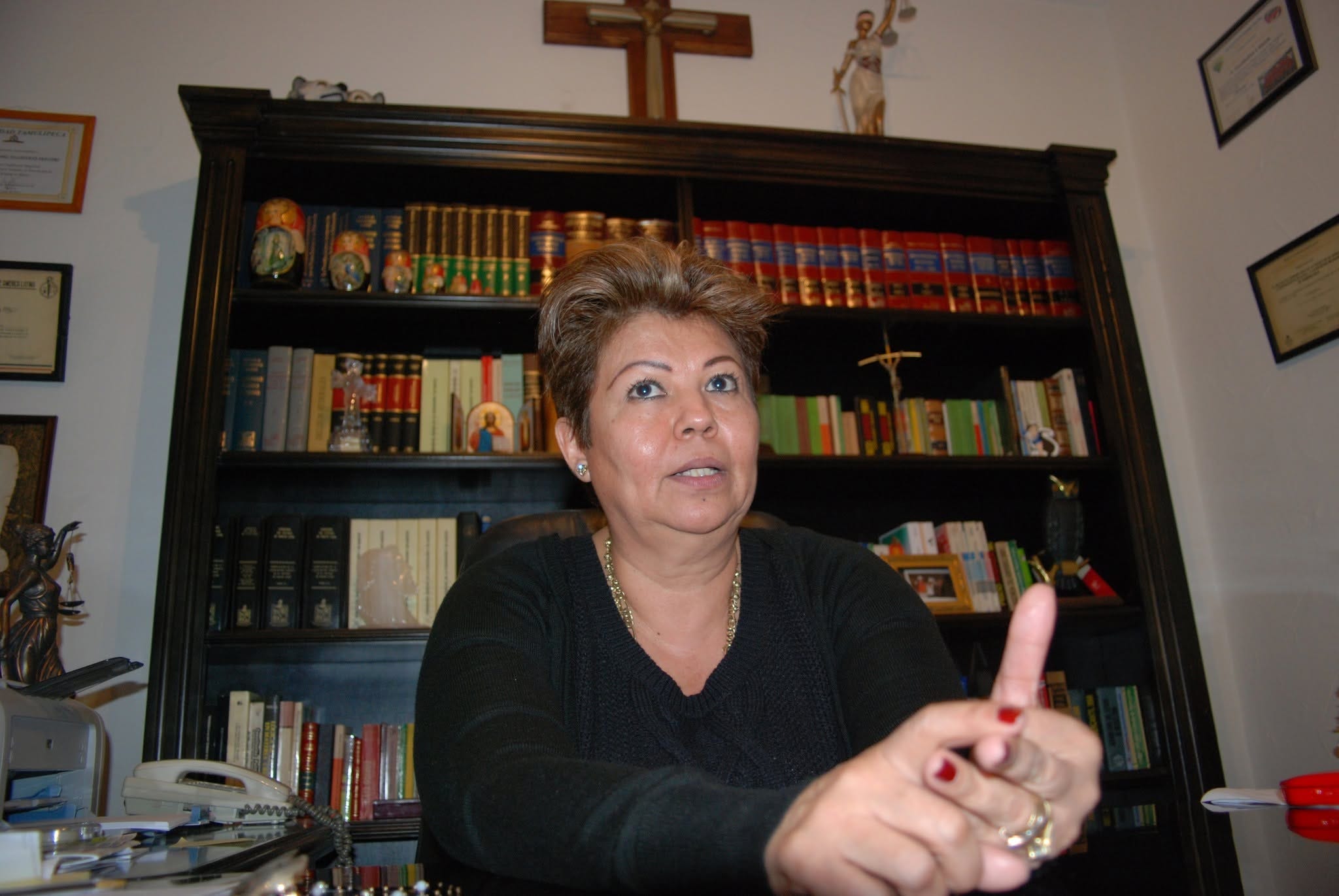
A month before her death, Villanueva spoke with CrashOut’s Juan Alberto Cedillo. “It’s clear I should have been dead nine years ago,” she told him in front of a shelf full of law books and encyclopedias. “But I think God has plans for me and I hope to do the right thing.”
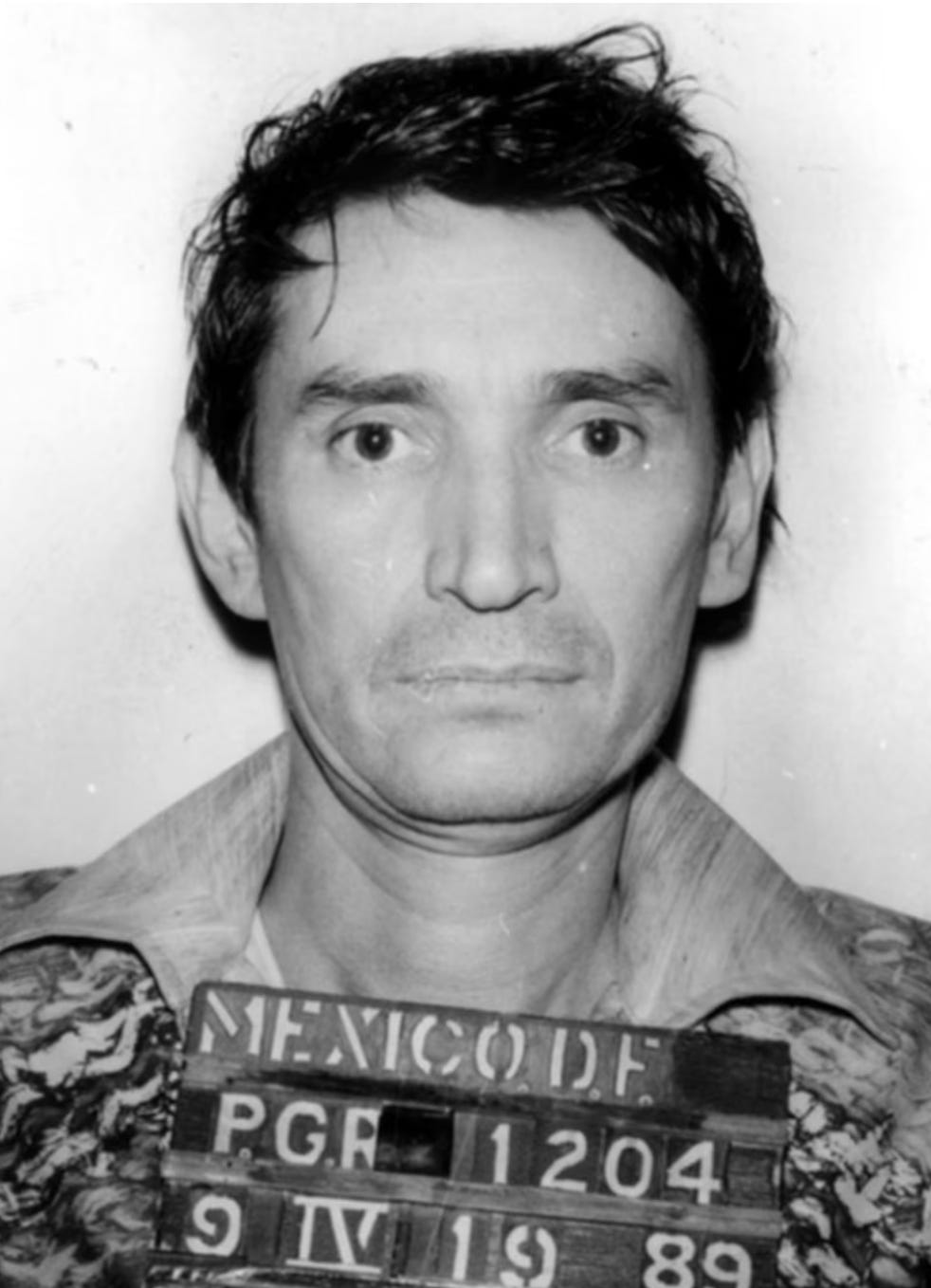
Félix Gallardo was born in Sinaloa and operated out of Guadalajara before he was arrested in 1989 and held in the Southern Prison, where he continued to run trafficking operations. The lawyer in Livas’ firm described how Félix Gallardo held parties there along with his fellow narco prisoner, Juan José Esparragoza alias “El Azúl,” or “Bluey.” Among those who came, the lawyer said, were…
Sorry folks, you need to subscribe to read the rest of this story. But it’s only the price of a cuppa coffee and you get the complete archive including exclusive interviews with top players and maps of cartel territory. And now is a great time to subscribe with so much going on, and I will be following the tumultuous events with reports you can trust.