

Para leer en español click aquí.
In early 2025, workers building a housing development in the northwest of the Guadalajara urban sprawl came across a gruesome find - garbage bags with human bones buried in the terrain where they were laying foundations. The building company alerted state police, but they didn’t take action until a journalist exposed the discovery.
State forensic teams, along with collectives of families searching for their loved ones, descended on the area, known as Las Agujas, and by late last year they had dug up more than 250 bags of possible human remains. As with other mass graves across Mexico, the macabre discovery includes teeth, jaw bones, whole skulls, and decaying tissue and it’s a tough challenge to know how many actual people were buried there. The state government in August announced that it had identified more than 50 victims but still had a lot of work to do. The site is 13 km from the Akron Stadium where World Cup football games are scheduled to be played this summer.
Agujas is just one of a series of mass graves that were sown in Jalisco under the reign of El Mencho, or Nemesio Rubén Oseguera, the head of the Jalisco New Generation Cartel who was killed by the Mexican army on Feb. 22. Clandestine cemeteries, known as “narco fosas,” have been unearthed across the urban area of Guadalajara, and in the north, south, east and west corners of Jalisco.
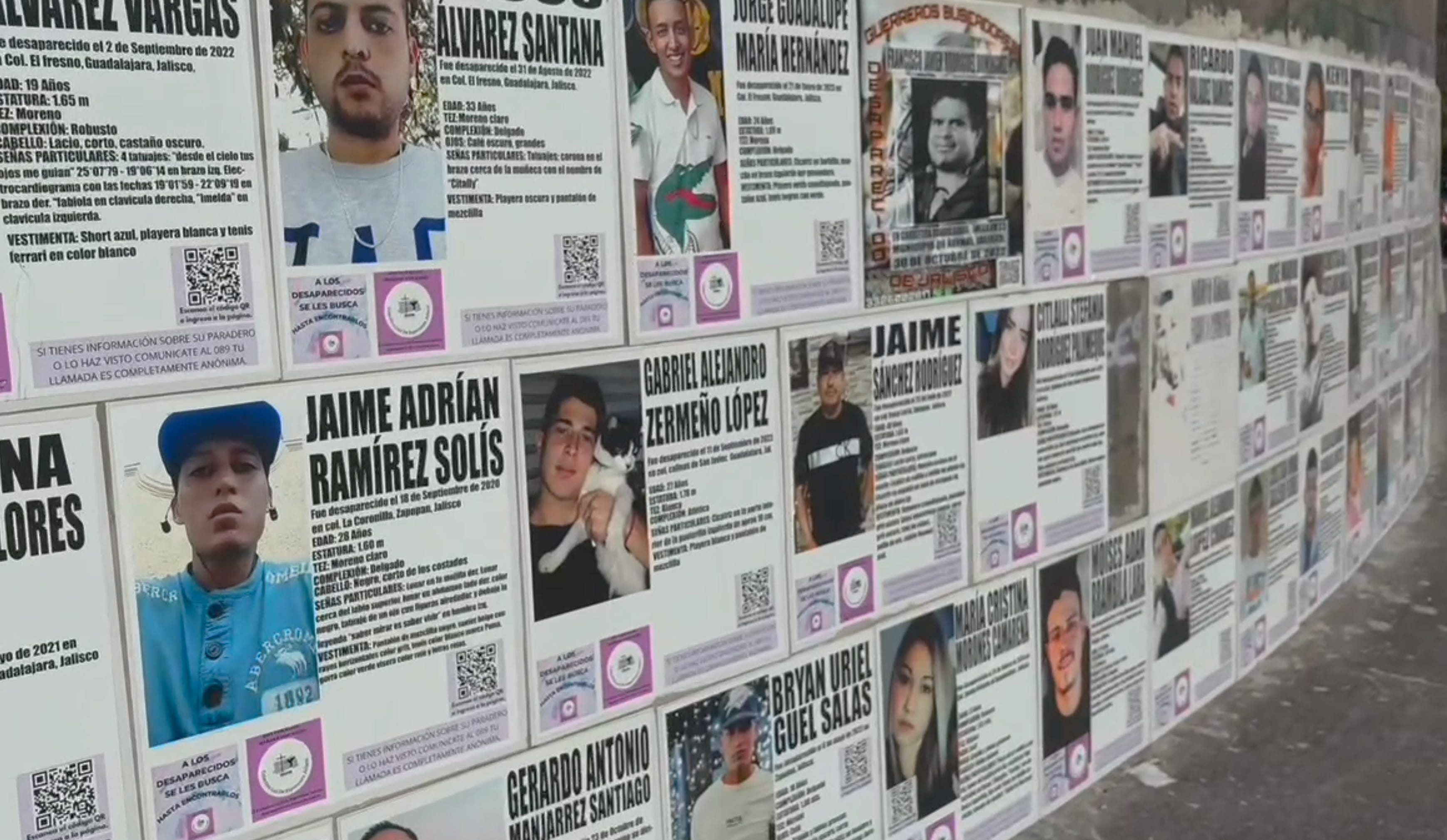
At the same time, Jalisco has the worst level of disappearances in Mexico with 16,000 missing people according to the official count, while collectives estimate there could be up to 26,000 disappeared. A roundabout in Guadajalara is plastered with the haunting faces of the missing.
Police and collectives have also discovered cartel camps such as one at Izaguirre, which caused a national outcry last year. Testimonies from survivors speak of the CJNG training forced recruits, and making them kill and mutilate their companions.
“It’s difficult to understand how a human being is capable of doing this to another human being,” says Héctor Flores, whose son was abducted in 2021, and who co-founded the collective Luz De Esperanza.
The brutality of the CJNG reflects Mencho’s personal leadership, as he transformed the Jalisco mob from an outlet of the Sinaloa Cartel into the most powerful and far reaching paramilitary organized crime network in Mexico. “His calling card was the savagery with which they operated,” says Héctor.
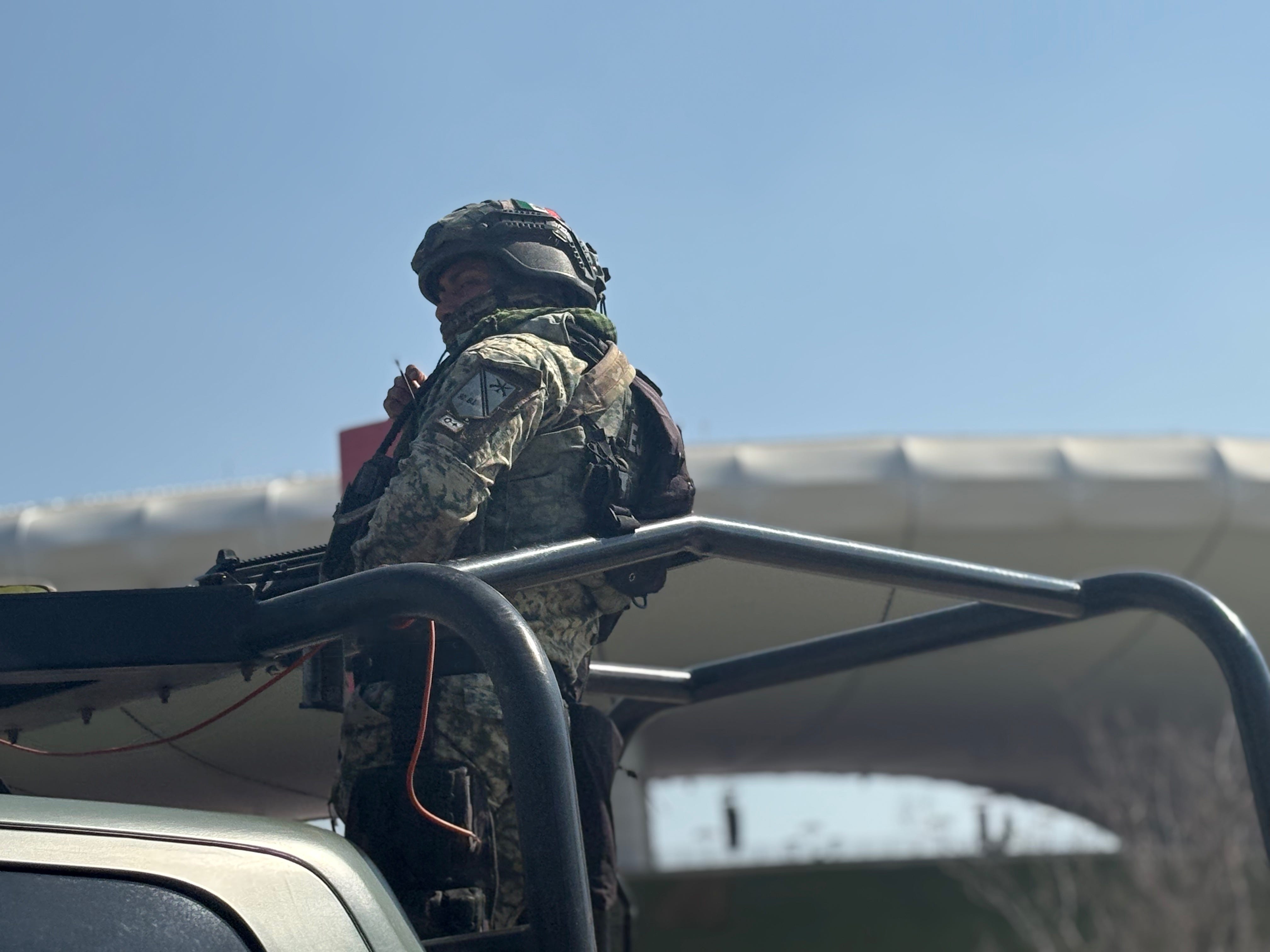
After the death of Mencho and subsequent narco blockades across Jalisco, the Mexican army sent 10,000 troops to bolster security in Guadalajara. The Akron Stadium, shown above, has a hefty contingent of soldiers and police making sure that no attacks take place there. There was also a big military presence at the funeral of Mencho on Monday, when he was buried in a closed gold plated coffin.
However, when I went to the Agujas site on Saturday with two journalist colleagues, there were no security forces. While we were filming, various youths on motorbikes buzzed round us. Finally, a pick-up truck pulled up and a man in a baseball cap and T-shirt said in good English, “…
Sorry folks, you need to subscribe to read the rest of this story. But it’s only the price of a cuppa coffee and you get the complete archive including exclusive interviews with top players and maps of cartel territory. And now is a great time to subscribe with so much going on, and I will be following the tumultuous events with reports you can trust.